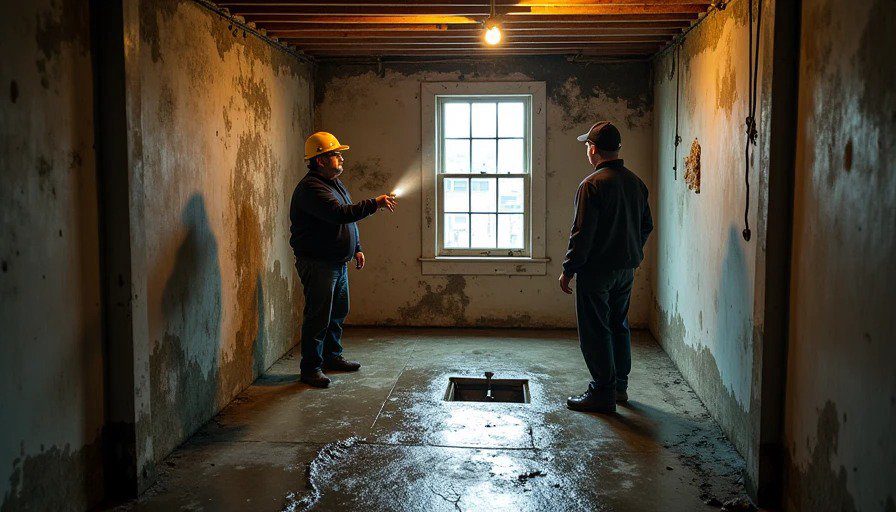
Damp basements and musty walls are the curse of old Cleveland houses. You buy a dehumidifier, run it nonstop, and the air feels drier for a while. Then the next heavy rain hits and the smell comes back.
I’ve seen it hundreds of times. A dehumidifier treats the symptom. It doesn’t fix where the water is coming from. In Rust Belt old stock, water always finds a way in unless you address the sources.
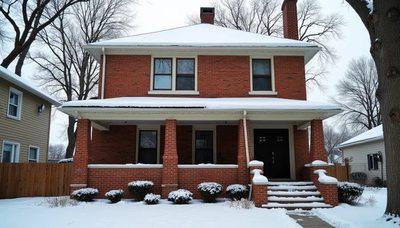
My own 1920s Colonial has a basement that taught me this lesson the hard way. Spent years chasing moisture before doing it right.
Where the Water Actually Comes From
Old houses weren’t built with modern vapor barriers or drainage. Here are the usual culprits around Cleveland.
Exterior Grading and Drainage
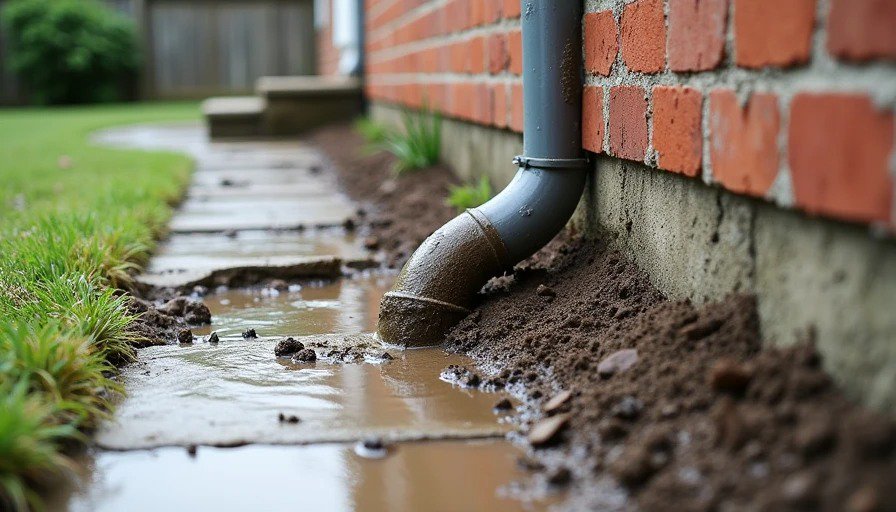
This is number one. Houses settle. Walkways and soil slope toward the foundation over decades. Rain runs straight into the basement walls.
Downspouts dumping right at the base? Worse. Clogged gutters overflowing onto the house.
In Cleveland clay soil, water doesn’t drain well. It sits and pushes through block or stone foundations.
Fix: Regrade so soil slopes away at least 6 inches in the first 10 feet. Extend downspouts 5-10 feet out. French drains if needed.
Foundation Walls and Windows
Masonry walls wick moisture. No proper waterproofing on the exterior. Window wells that collect leaves and water. Poor flashing.
Efflorescence (white powdery stuff) on walls means salts coming with water.
Roof and Attic Issues
Ice dams in winter, poor ventilation, or leaks higher up. Condensation in uninsulated attics drips down.
Plumbing Leaks
Slow drips from old cast iron or galvanized pipes inside walls. You won’t see it until mold appears.
Interior Condensation
Warm moist air hitting cold surfaces in winter. Showers, cooking, drying clothes without proper exhaust.
Why a Dehumidifier Alone Fails
It pulls moisture from the air. But if water keeps seeping through walls or floors, the machine runs constantly, costs electricity, and never solves the root. In bad cases, it just moves the problem around or leads to over-drying upper levels.
I’ve pulled dehumidifiers out of basements that were still damp at the walls. The unit was working — the house wasn’t fixed.
Real Fixes That Work in Old Cleveland Houses
Do the outside work first. Then inside if needed.
Exterior Solutions (Best Long-Term)
Regrade and add swales.
Clean and extend downspouts.
Excavate and waterproof foundation exterior with dimple board and drain tile (most permanent, but disruptive and $15k–$40k+).
Improve grading around window wells.
Interior Solutions (Less Invasive)
Interior drain tile system along perimeter, tied to sump pump.
Wall vapor barriers or dimple board.
Seal floor-wall joint.
Sump pump with battery backup — critical in Cleveland.
Typical Costs in 2026 Cleveland Area
Fix | Cost Range | Effectiveness | Disruption |
|---|---|---|---|
Grading + Downspouts | $1,500–$6,000 | High | Low |
Window Well Repairs | $800–$3,000 each | Medium-High | Medium |
Interior Drain Tile + Sump | $4,000–$12,000 | Very High | Medium |
Full Exterior Waterproof | $15,000–$40,000+ | Highest | High |
Dehumidifier (ongoing) | $200–$800/year | Symptom only | None |
Start with the cheap exterior stuff. Often solves 70% of issues.
Step-by-Step Approach I Recommend
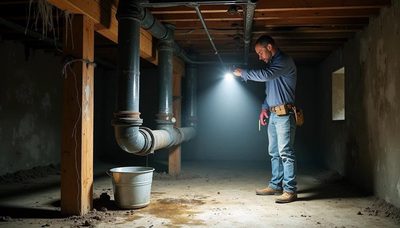
Inspect and Document — Walk outside after rain. Note where water pools. Check basement walls for dampness patterns.
Fix the Roof and Gutters — Clean, repair, extend downspouts.
Regrade — Easiest big win.
Test Interior — Install temporary sump or dehumidifier with water meter to measure how much it’s pulling.
Interior System if Needed — Drain tile is reliable.
Ventilation and Insulation — Exhaust fans, proper attic venting, insulation on cold walls.
Monitor — Humidity should stay 40-60%. Use a good hygrometer.
During a kitchen or bath remodel, address any related moisture sources while open.
Job Site Stories
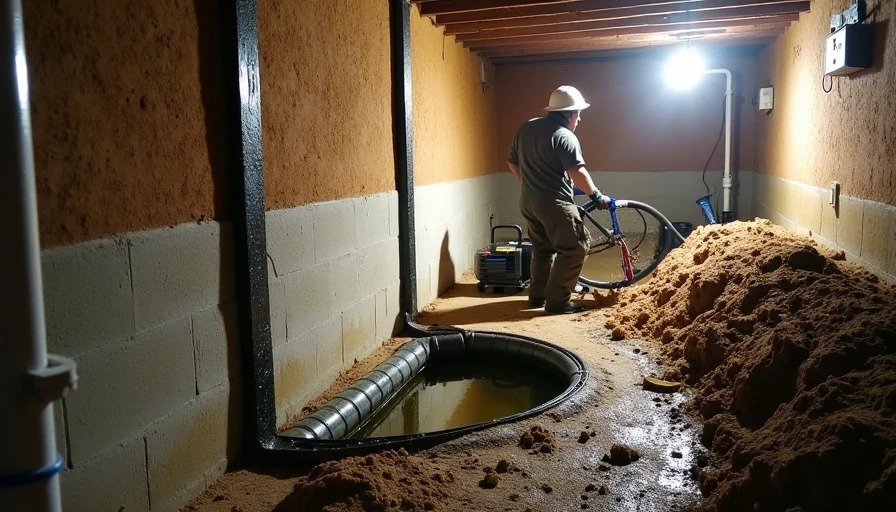
One 1950s ranch I worked on had water coming through the block every spring. Client ran two dehumidifiers. We installed interior perimeter drain and sump. Basement stayed dry through the next heavy seasons. Client saved on electric and finally stored stuff down there.
Another house: Poor grading and a buried downspout. Fixed the grade for $2,800. No more issues. Much cheaper than interior work.
My own basement? I ignored grading for too long. One wet spring taught me. Regraded and added better drainage. Still have the dehumidifier for insurance, but it barely runs now.
Other Dampness Traps in Old Houses
Unvented dryers or baths.
Missing or blocked foundation vents (in crawlspaces).
Over-insulating without proper air sealing and ventilation.
Planting shrubs too close to foundation.
In Cleveland winters, snow melt adds extra pressure. Spring rains test everything.
Protecting Yourself on Dampness Fixes
Hire contractors who specialize in old house waterproofing, not generalists.
Get multiple bids and ask for scoping or camera work.
Ask about warranties on drainage systems (10-25 years common on good work).
Consider a home energy audit or moisture assessment.
Avoid miracle sealants painted on interior walls — they often trap moisture worse.
Your old house is damp because water has easy paths in — from outside mostly. A dehumidifier hides the problem and runs up bills. Real fixes start with grading and drainage, then targeted waterproofing.
Do it right and your basement becomes useful space instead of a moldy storage area. Ignore it and you’ll keep fighting symptoms forever.
I’ve screwed up plenty of jobs too. Ignored a grading issue on my own place too long and paid for it with wet floors. That’s why I’m telling you this.
No signatures yet — be the first!