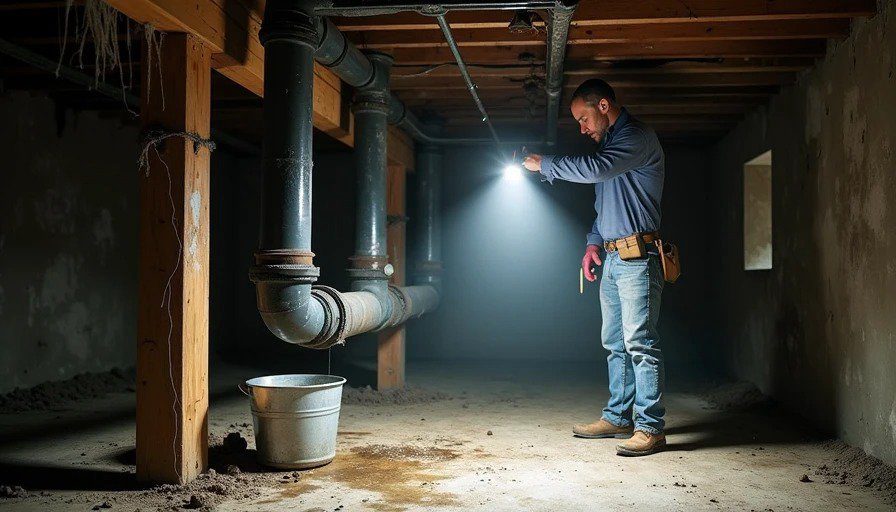
Cast iron drains are tough. Built like tanks. In Cleveland old houses they often survive 70-100 years. But joints leak, rust builds up inside, and roots love them. They’ll outlast you until one day they don’t — and then you’ve got a mess in the basement.
I’ve dealt with hundreds of these systems over 38 years. They’re not evil, but they need respect. Ignoring slow leaks or sluggish drains costs more later.
I've been fixing houses since before cordless drills. You don’t have to learn the hard way.
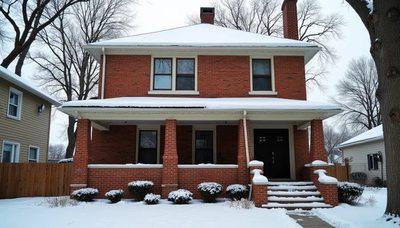
My own 1920s Colonial still has original cast iron in places. One joint gave me trouble a few summers back. Fixed it, but it reminded me why we plan ahead.
Why Cast Iron Was Great (And Why It Fails Now)
Cast iron handles waste flow well and resists corrosion better than some early alternatives. Thick walls. Heavy. Quiet. In 1920s-1970s houses around Cleveland it was standard.
But time wins. Inside, rust and scale build up, narrowing the pipe. Joints sealed with oakum and lead deteriorate. Tree roots find tiny cracks. Cleveland’s freeze-thaw and clay soil add movement and stress.
Common signs it’s time to look closer:
Slow drains in multiple fixtures
Gurgling toilets
Recurring clogs
Sewage smells
Wet spots or stains near pipes
Backups after heavy rain
Camera scoping tells the real story. Plumbers push a snake with a camera. Worth the $300-600.
The Problems I See Most in Old Cleveland Houses
Joint Leaks
Lead and oakum seals fail. Water drips. In basements it rots joists over time.
Internal Corrosion
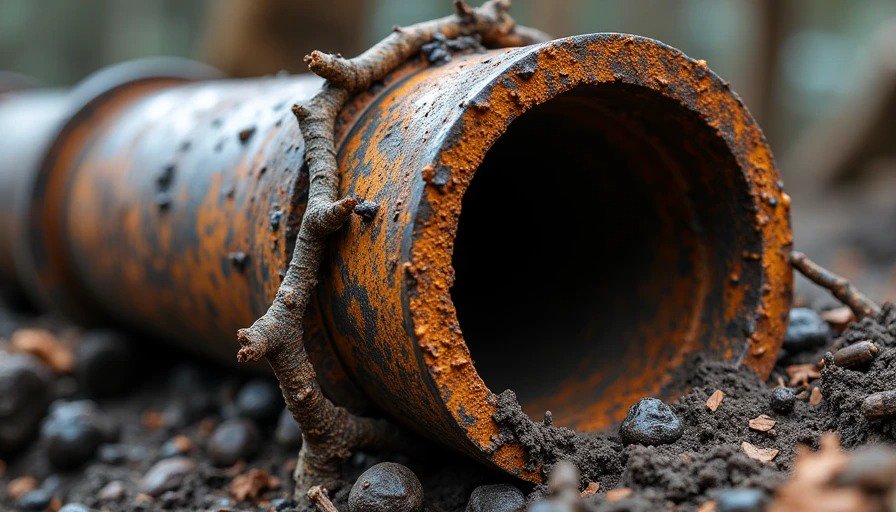
Rust flakes off and collects. Pipes go from 4" inside diameter down to 2" effective. Roots thrive in the buildup.
Bellies and Sags
Settlement creates low spots where waste sits and solids collect.
Cracks and Breaks
Especially near foundations or under slabs.
One job in a 1950s bungalow: main drain had roots the size of your finger. Backed up into the basement twice a year. We scoped it and found the problem.
Repair vs Replace: The Honest Math
Spot repairs buy time but often lead to more problems nearby. Full replacement or relining is usually smarter long-term.
Options:
Traditional Dig and Replace: Reliable. PVC or new cast iron. Disruptive. Costs $8,000–$25,000+ for full main line depending on length and access.
Trenchless Relining (CIPP): Epoxy liner inside existing pipe. Less digging. Good for 50+ more years. Often 30-50% cheaper than full dig in some cases.
Spot Repair: Clamps, sleeves, or short replacements. $400–$1,500 per section. Temporary.
In Cleveland, main sewer line replacement to the street runs $10k–$30k+ with excavation. Interior branch lines cheaper.
2026 Cleveland Rough Costs
Repair Type | Cost Range | Best For |
|---|---|---|
Camera Scope | $300–$600 | Diagnosis |
Spot Repair | $400–$2,000 | Minor leaks |
Partial Replacement | $3,000–$10,000 | Problem sections |
Full Main Line (Trenchless) | $8,000–$18,000 | Long-term fix |
Full Traditional Dig | $12,000–$30,000+ | Severe damage |
Numbers vary with house size, yard access, and slab work. Get scoped first.
When to Act Now
If you’re remodeling kitchen or bath, deal with the drains while walls and floors are open. Much cheaper.
Insurance or home sale coming? Upgrade helps.
Frequent backups or smells? Don’t wait for a flood.
Otherwise, monitor with annual scoping if the house is 60+ years old.
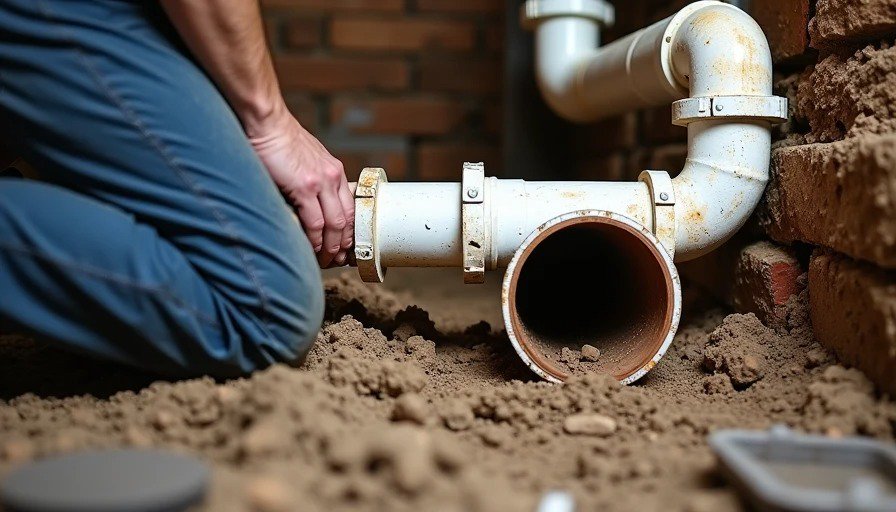
How Good Work Gets Done
Good plumbers:
Scope everything first.
Recommend based on actual condition, not just “replace it all.”
Use proper materials and slopes.
Test the system after.
Clean up the mess.
Avoid the guy who wants to dig everything without looking. Also avoid the one who only wants to patch forever.
During a full remodel, we coordinate with other trades. Open floors make access easy.
Lessons from the Job Site and My House
I once bid a job assuming minor issues. Scoped it and found the main line was 70% blocked with roots and rust. Good thing we checked.
Another time, a homeowner patched leaks three times. Finally replaced the whole run. Should have done it sooner.
My own place? One section under the kitchen started dripping years ago. I replaced that run with PVC. Rest is still cast iron and holding for now. But I keep an eye on it.
Protecting Yourself
Always get a sewer scope with video before buying or major reno.
Compare bids — at least three.
Ask about relining options.
Check warranties — good ones give 10-25 years on work.
Tie final payment to successful test and cleanup.
In Cleveland winters, frozen ground makes excavation timing important. Plan ahead.
Cast iron drains will outlast most of us, but joints leak and insides corrode. They’re not a crisis until they are. Scope them, fix the bad sections, consider relining or replacement when doing other work.
Don’t panic and replace perfect pipe. Don’t ignore obvious problems either. Smart triage keeps your old house dry and your wallet intact.
Next I’ll cover plaster vs drywall — the honest math on that decision.
Of course, I've screwed up plenty of jobs too. That's why I'm telling you this.
No signatures yet — be the first!