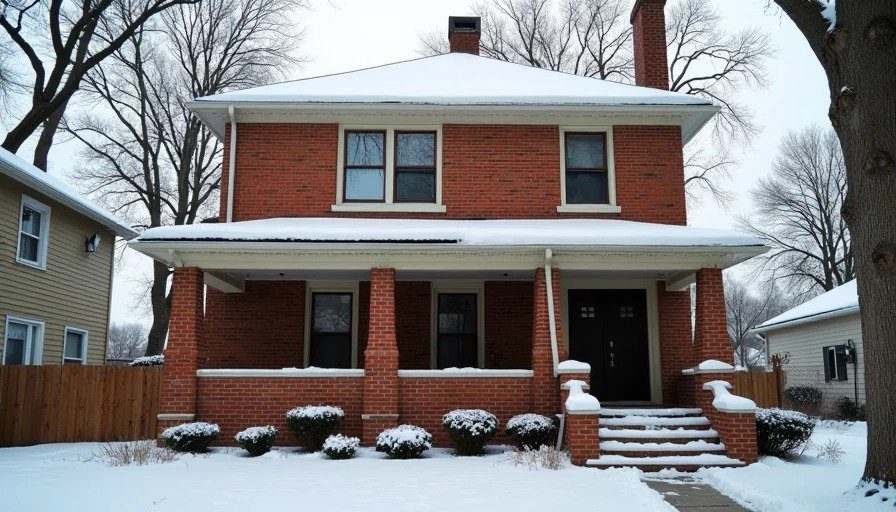
1920s Colonials have soul. Thick walls, real wood trim, solid bones. But they weren’t designed for 2026 kitchens with giant fridges, constant internet, or people wanting open-concept everything. Trying to force them into modern magazine spreads usually ends in regret and overspending.
I’ve worked on dozens of these houses in Cleveland. My own 1920s Colonial is still a work in progress after 25 years. Some things you update. Many things you learn to live with. That’s the honest truth.
The House Was Built for a Different Life
Back in the 1920s, families were smaller, appliances were tiny, and energy was cheap. Walls were plaster over lath. Floors were hardwood. Heating was often gravity or early forced air. No one expected two cars, home offices, or streaming setups that need constant power.
Cleveland weather — cold winters, humid summers — hits these houses hard. Settling happens. Moisture finds paths. But the structure itself is usually overbuilt compared to today’s cookie-cutter stuff.
The key is triage. Fix what threatens the house or your safety. Live with the rest.
What Usually Needs Attention
Electrical and Plumbing
Knob-and-tube wiring is common. It’s not automatically a fire hazard if untouched, but adding modern loads (kitchens, laundry, EVs) makes replacement smart in high-use areas. Full house rewires run $12k–$25k+ depending on size.
Galvanized or cast iron plumbing holds up but leaks at joints. Prioritize visible runs and anything near kitchens or baths.
Insulation and Energy
Original walls have almost none. Attics might have a bit. Adding insulation where possible — walls, attic, basement — cuts bills without destroying character. Blown-in or exterior continuous insulation works on many Colonials.
Windows: Original single-pane are drafty. Storm windows or careful replacement of only the worst ones is often enough. Full window replacement is expensive and can look wrong if not matched.
Foundations and Basements
Many have fieldstone or early concrete. Minor settling is normal. Water management outside — grading, gutters, downspouts — prevents most problems. Interior drainage if needed.
What You Should Probably Leave Alone
Open-concept gut jobs. Moving load-bearing walls in these houses is structural Russian roulette and costs a fortune. Small changes to improve flow are better.
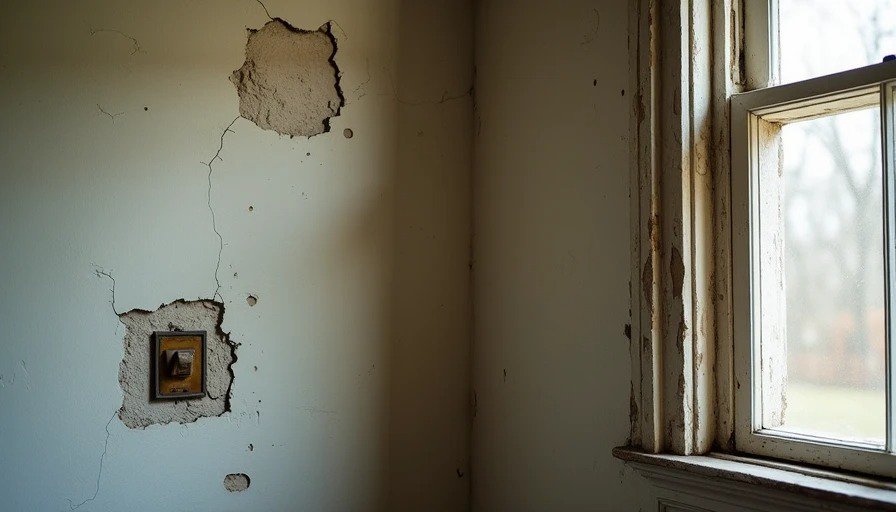
Ripping all plaster for drywall. Plaster is durable and sound-deadening. Patch and skim where needed.
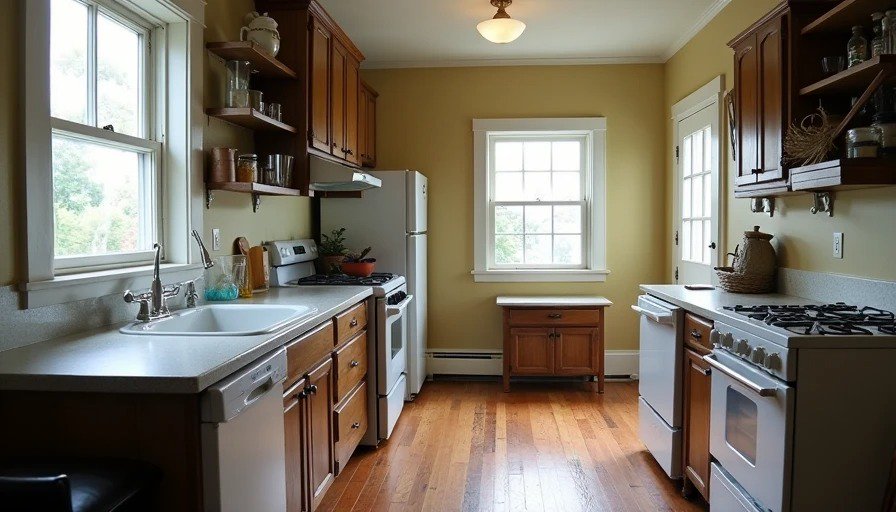
Forcing a modern kitchen layout. Work with the existing footprint. Original butlers’ pantries and built-ins are assets, not obstacles.
Smart Updates That Respect the House
Focus on invisible improvements first.
Mechanicals: New high-efficiency furnace, water heater, insulation. These pay back fast.
Roof and Exterior: Keep water out. New roof, good flashing, paint.
Targeted Modernization: Update one bathroom or the kitchen while keeping trim and proportions.
Electrical Panel: Upgrade to 200-amp with proper grounding even if you don’t rewire everything immediately.
On my house, I replaced the roof and added attic insulation years ago. Still working on the rest. It’s a marathon.
Cost vs Value in 1920s Colonials
Big structural changes rarely add enough value to justify the cost in Cleveland’s market. Cosmetic and systems updates do.
Buyers who love old houses want character. They’ll pay for solid bones and thoughtful updates. They won’t pay premium for a gut that erased the history.
Typical Priority List for 1920s Colonial (Budget $40k–$80k)
Priority | Work | Approx. Cost | Why |
|---|---|---|---|
High | Roof, gutters, grading | $8k–$18k | Prevents bigger damage |
High | Electrical panel + key circuits | $4k–$12k | Safety |
Medium | Insulation + air sealing | $5k–$15k | Comfort & bills |
Medium | Kitchen or bath targeted update | $25k–$55k | Daily living |
Lower | Full window replacement | $15k–$30k | Only if needed |
Avoid | Full open-concept gut | $80k+ | Rarely worth it |
Adjust for your house.
Living With the Quirks
Low ceilings in some areas. Narrow hallways. Radiators that take space. These are part of the charm. Work around them instead of fighting.
My living room still has the original plaster and trim. It’s not perfectly square. I don’t care. It feels like a home, not a showroom.
Grandkids love the built-in nooks and the history. They don’t notice the drafts as much as I do.
Mistakes I’ve Seen (and Made)
Homeowners who fall in love with HGTV open concepts end up with compromised structure and massive bills. One job I consulted on: they moved a bearing wall. House shifted. Cost a fortune to stabilize.
Another gutted everything for modern finishes. Lost the warmth. Resale was flat.
On my own place, I tried too many small fixes without a plan early on. Created more work. Slow and steady wins.
How to Approach Your 1920s Colonial
Get a thorough inspection focused on old-house issues.
Prioritize systems and envelope (roof, foundation, mechanicals).
Update for how you live without destroying what makes the house special.
Work with contractors who know old houses, not just new construction.
Accept that it will never be perfect — and that’s okay.
These houses were built to last. With care, they’ll outlast us all.
Your 1920s Colonial wasn’t built for modern living. Forcing it completely usually costs more and delivers less satisfaction. Respect the bones, fix the critical stuff, and enjoy the character.
That’s how you end up with a home, not another project that never ends — though mine still feels that way sometimes.
Next I’ll dig into knob-and-tube specifically.
Of course, I've screwed up plenty of jobs too. That's why I'm telling you this.
No signatures yet — be the first!