
I’ve argued with plenty of homeowners over 38 years. Usually I win because I’ve seen more job sites. But three times stand out where they pushed back hard — and turned out to be right. Those jobs taught me more than most of my successes.
Old houses have personalities. Sometimes the person living there knows the quirks better than the guy with the clipboard.
The Subfloor Lady Who Saved Her Kitchen
First one was a 1960s ranch in Lakewood. Client wanted new tile floors and cabinets. I looked at the existing subfloor, walked it, and said it was “good enough with some patching.” She wasn’t having it.
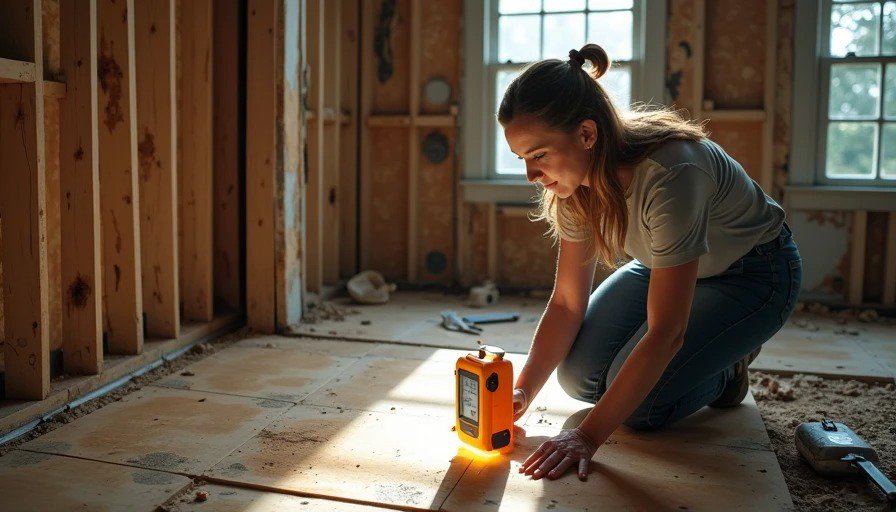
She’d lived there 15 years and noticed bouncy spots after rain. Pulled out her own moisture meter and showed me readings. Insisted we open more and check joists from the basement.
We did. Found rot in three joists and a whole section of plywood that was delaminated from a slow plumbing leak years earlier. If we’d laid new tile over my “good enough,” it would have cracked within two years.
She made us sister the joists properly and install new 3/4" plywood with adhesive and screws on a 6-inch pattern. Added cement board for the tile. Cost more upfront, but that floor is still dead flat and quiet eight years later.
I learned to listen when someone says “it feels wrong in that corner.” Homeowners feel the house every day. We just visit.
The Engineer Guy on the Colonial
Second story happened during a whole-house project on a 1920s Colonial similar to mine. Homeowner wanted to open the kitchen to the dining room. I looked at the wall and said we could do it with a simple header and some sistering. Standard stuff.
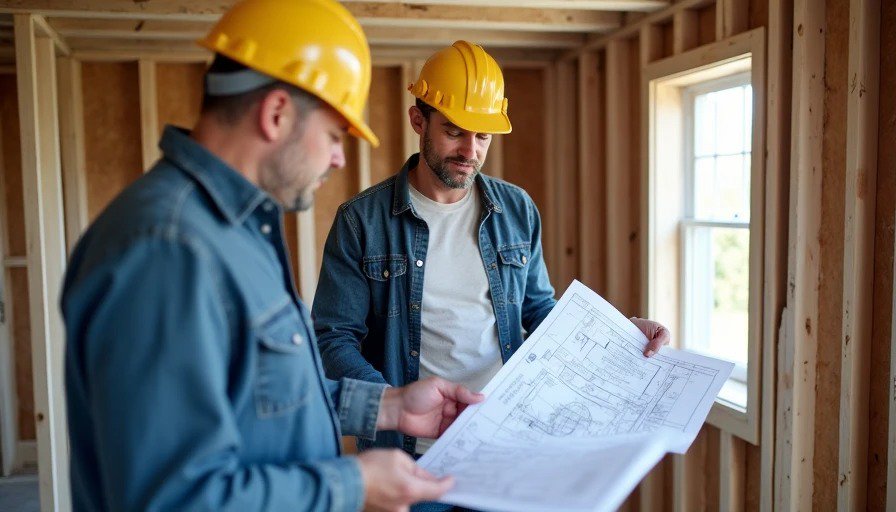
He pushed back. Hired a structural engineer before we touched anything. Engineer’s report showed that wall was carrying more roof load than obvious because of how the original framing stepped. Recommended a bigger LVL beam and additional posts.
I argued at first. Extra cost, extra time. Client stood firm. We did it his way.
Six months later a heavy snow hit Cleveland. The neighboring house that did a similar opening without engineering had ceiling cracks and needed emergency shoring. Our job? Solid. No movement.
That homeowner taught me humility on structural calls. Now I recommend an engineer stamp on anything beyond simple partitions. $1,500 fee beats $15,000 in callbacks.
The Pacing Family That Outsmarted the Schedule
Third one was a young family in a 1940s bungalow. Budget was tight. They wanted the kitchen and one bath done but refused to live in total chaos.
I pushed for knocking out both at once to save mobilization costs. “Get it over with,” I said. They said no. They wanted the kitchen first, live with it for six months, then do the bath the next summer.
I thought they were dragging their feet. Turned out smart.
During the kitchen they discovered how they actually used the space. Changed the pantry layout slightly. Also found some cast iron issues we fixed without affecting the future bath.
When bath time came the next year, we had better flow between the projects. Less waste. They stayed sane, kids had a functioning kitchen, and the final result was better thought out.
I’ve seen too many families try to do everything at once and end up hating the house midway. This family planned the pain and came out stronger.
What These Three Taught Me About Old Houses
Homeowners live with the details. Contractors see the big picture but miss daily realities.
Listen to history: “This spot always gets damp in spring” usually means something real.
Respect gut feelings on feel and function.
Engineering isn’t optional on structural questions.
Pacing the work can save money and marriages.
In Cleveland old stock, every house has secrets. The best projects happen when homeowner and crew work together instead of fighting.
I still catch myself assuming. Then I remember these three and slow down.
How to Be That Smart Homeowner
Speak up early. Bring your observations from living there.
Ask for options, not just the first recommendation.
Insist on documentation — photos, reports, scopes.
If something feels off, push for a second opinion or deeper look.
Budget time for surprises instead of rushing.
During my own 25-year project on the Colonial, I’ve been both the stubborn contractor and the homeowner. The times I listened to my wife or slowed down turned out best.
All three homeowners cared deeply about the long term. They weren’t chasing Instagram kitchens. They wanted a house that worked for real life in Cleveland winters.
They were willing to spend more or take more time to do it right instead of fast.
That attitude beats any fancy material.
I’ve screwed up plenty of jobs too. These three stories are the ones where I got corrected and came out better for it. That’s why I’m telling you this.
No signatures yet — be the first!