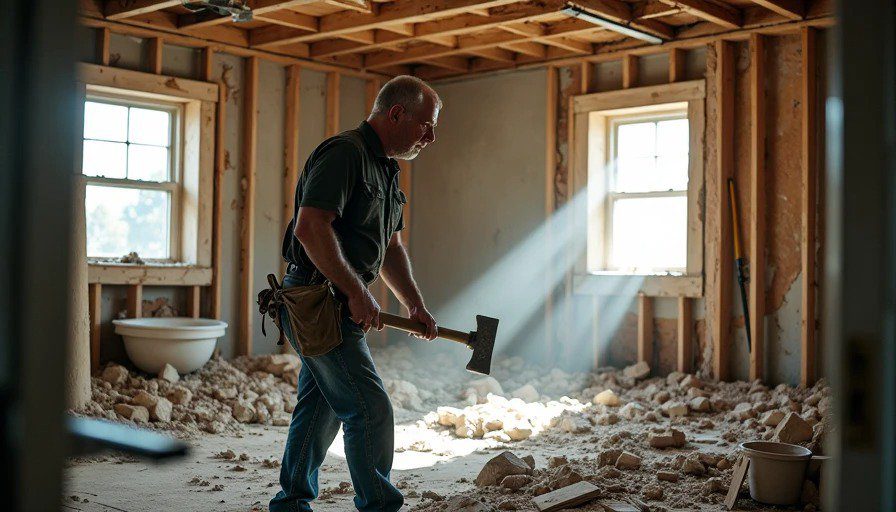
I’ve torn out my share of work over 38 years. Some jobs were mine. Most weren’t. But five particular “professional” remodels stick with me. They looked decent when finished. Nice paint. Shiny fixtures. Then the homeowner called a few years later because things were falling apart. Or I got hired to fix bigger problems and ended up demo’ing the whole mess.
Every time we opened the walls, the truth spilled out. Shortcuts. Cheap fixes. Work that never should have passed inspection. Here’s what I found and why it matters for your renovation.
The Common Pattern in These Five Jobs
All five had the same story. Homeowner wanted it done fast and cheap. Contractor promised the world. Surface looked good for 2-5 years. Then leaks, electrical issues, or structural movement showed up.
Cleveland weather doesn’t forgive bad work. Freeze-thaw cycles, humidity swings, and old-house movement expose the lies quickly.
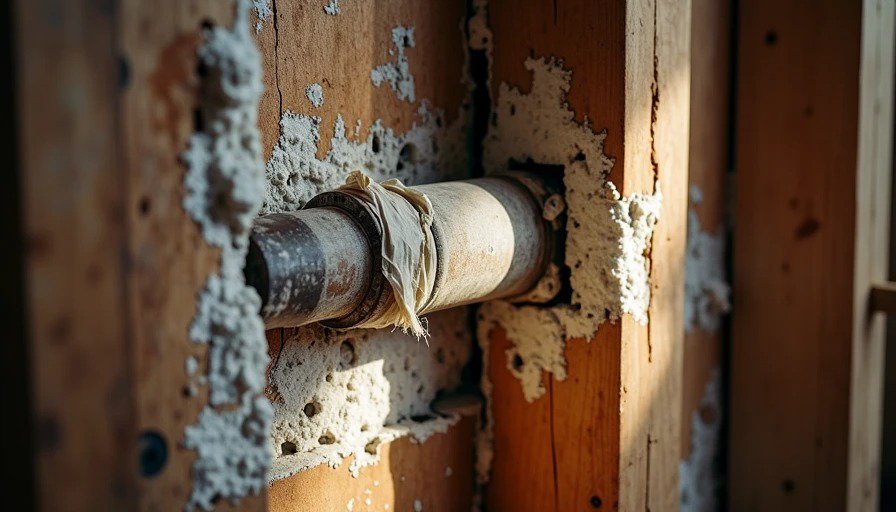
What We Actually Found Behind the Walls
1. Electrical Nightmares
One 1970s ranch kitchen remodel looked modern. New outlets everywhere. Then we demo’d. Knob-and-tube still live in places, spliced into new Romex with wire nuts and electrical tape — no boxes. Multiple circuits overloaded on one breaker. No AFCI protection.
Another had aluminum wiring mixed with copper using the wrong connectors. Fire hazard waiting to happen.
They hid it with drywall and paint. Inspector probably never saw the full picture because walls closed too fast.
2. Plumbing That Was Barely Holding
Cast iron drains “repaired” with rubber couplings and hose clamps instead of proper replacement. One job had a main stack patched with fiberglass resin — looked okay until we pulled it. Roots everywhere and joints leaking into the floor cavity.
Supply lines run without proper support. PEX tubing kinked and stapled too tight. In one bath, they tiled over old leaking connections. Water had been wicking for years. Subfloor was soft as cardboard.
3. Structural Shortcuts
This one still makes me angry. They removed a load-bearing wall for an open concept without proper beam or headers. Just doubled up some 2x6s and called it good. Floor above sagged over time. We found cracks in the foundation connection too.
Another had sistered joists using deck screws instead of bolts or proper nails. Held for a while. Then movement started.
No temporary shoring during the work. Pure luck nobody got hurt.
4. Waterproofing That Was Pure Theater
One shower looked luxury. New tile, nice glass door. Behind it? Thin coat of liquid membrane painted on regular drywall. No sheet membrane, no proper pan. Water had traveled behind the tile and into the wall cavity. Mold city.
They caulked like crazy on the surface. Didn’t fix the system.
5. General Sloppiness
Missing fire blocking. Insulation stuffed poorly or missing in spots. HVAC ducts disconnected or crushed. Paint and mud over live electrical. You name it.
The Hidden Defects Table (From Those Five Jobs)
Issue Type | How They Hid It | What We Found | Real Cost to Fix |
|---|---|---|---|
Electrical | Drywall + paint | Unsafe splices, no grounds | $8k–$18k |
Plumbing | Tile and caulk | Leaking joints, soft subfloor | $6k–$15k |
Structural | Quick framing + finishes | Inadequate beams, sagging | $10k–$25k+ |
Waterproofing | Pretty tile | Mold, rotted framing | $5k–$12k |
General Workmanship | Speed and surface finishes | Missing blocking, poor seals | Varies wildly |
These weren’t fly-by-night guys. They had trucks, signs, and references. Still cut every corner they could.
Why This Happens So Often
Pressure for fast turnaround. Homeowners want the pretty pictures. Contractors know most people won’t open walls later. Low bids win jobs, so quality suffers.
In old Cleveland houses, the hidden stuff is easy to ignore during a quick remodel. Until it isn’t.
I’ve done my own share of rushed work early in my career. Learned quick that it always comes back to bite.
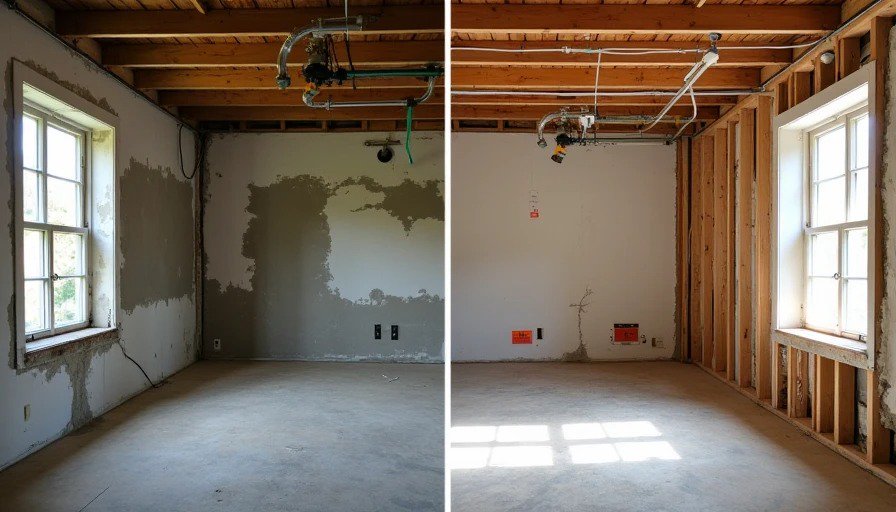
What Good Work Looks Like Instead
When my crews do a job, we:
Document everything with photos before closing walls.
Run proper inspections at rough-in stage.
Use correct materials and methods even if it takes longer.
Build in access panels where future work might be needed.
Stand behind the work for years.
The difference shows in year five and year fifteen.
Lessons for Homeowners
Don’t fall for surface beauty. Ask hard questions during bidding:
“Will you show me rough-in photos before closing walls?”
“Who inspects the hidden work?”
“What’s your plan for the old systems in this 60-year-old house?”
“Can I see similar past jobs that are 5+ years old?”
Walk the job during rough-in and framing phases. Take your own photos.
Pay attention to the last week and punch list. That’s when corners get cut.
Get everything important in the contract — scope, materials, inspection requirements.
If a bid seems too good and the timeline too fast, there’s usually a reason.
My Own 25-Year Renovation Reminder
My 1920s Colonial has some of my earlier work that I’d do differently now. I patched instead of fixing root causes sometimes. Learned the hard way. That’s why I push people to do it right the first time.
The five jobs I demo’d weren’t evil. They were the result of bad incentives and lack of experience with old houses. But the homeowners paid for it later.
How to Avoid Being the Next Story
Hire crews who specialize in old houses and can talk intelligently about what’s behind the walls.
Pay for quality on the hidden stuff. It’s cheaper than demo’ing someone else’s mess later.
Take your time during planning. Rushed decisions lead to rushed work.
If you’re inheriting previous remodels, budget extra for surprises. Scope plumbing and electrical early.
Those five “professional” remodels looked fine until they didn’t. What they hid behind nice finishes cost the next owners real money and headaches.
Don’t let that be your house. Insist on quality in the parts you’ll never see again. The pretty tile and paint will look better when they’re sitting on solid, correct work.
I’ve screwed up plenty of jobs too. Those demo stories are part of why I know what to watch for now. That’s why I’m telling you this.
No signatures yet — be the first!