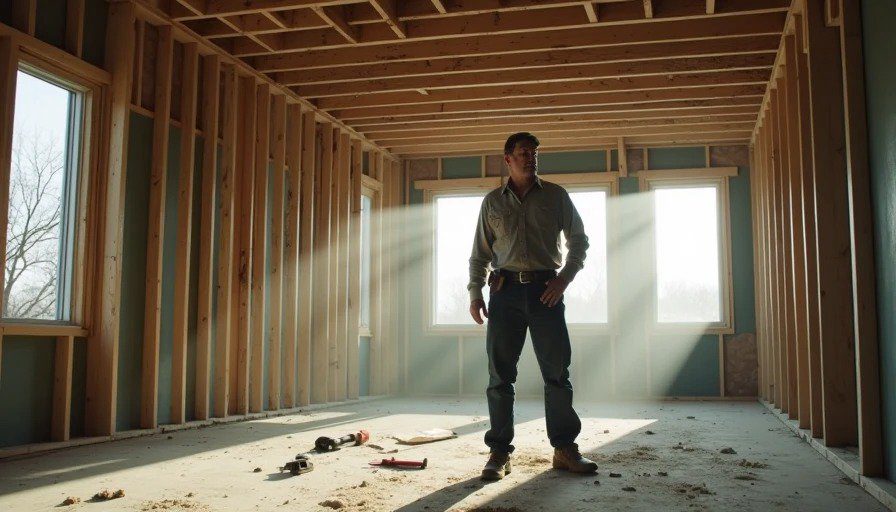
It was a kitchen remodel in a 1950s bungalow on the west side. Walls looked straightforward. Homeowner wanted to open it up to the dining room. I was running the crew and figured I knew the house type cold.
Looked like a non-load-bearing partition wall. I gave the okay to cut the header beam. Saw went through clean. For about thirty seconds everything was fine. Then we heard the creak. Ceiling started to sag in the middle of the room.
Ask me how I know what a sickening sound that is.
We scrambled. Threw in temporary jacks and posts faster than I’ve ever moved. Called the homeowner and told them we had an issue. Nobody got hurt, but the job that was supposed to take six weeks stretched to ten. Cost us money and reputation.
I've been fixing houses since before cordless drills. You don’t have to learn the hard way.
What Actually Happened That Day
We had demo’d the non-bearing walls. The beam in question looked like it only carried the ceiling joists for that small section. In newer construction it probably would have been. But this was a 1950s Cleveland house with some previous owner modifications and settling over decades.
Turned out it was carrying load from a roof rafter transition that wasn’t obvious until the cut. The moment we removed support, the floor above shifted slightly and the ceiling drywall cracked in a long line.
We spent the rest of that day and the next sistering the beam properly, adding a new LVL alongside the damaged one, and reinforcing the connections. Had to open more ceiling than planned. Dust everywhere. Client was understanding but not happy.
Why This Mistake Happens So Often in Old Houses
Old Cleveland homes have quirks. Previous “repairs,” hidden additions, settling foundations, and framing that doesn’t follow modern span tables. What looks non-structural often isn’t.
Common traps:
Bearing walls disguised as partitions
Beams carrying unexpected loads from above
Floor joists tied into walls you think are cosmetic
Modifications from past remodels that changed the load paths
I’ve seen it in 1920s Colonials, 40s bungalows, and 70s ranches. The older the house, the more likely the framing has stories to tell.
Lessons I Drill Into Every Crew Now
Never Assume If there’s any doubt, add temporary supports before cutting anything. Better to be safe and remove them later.
Check from Multiple Angles Look in the basement or attic. See what’s sitting on that beam or wall. Follow the load path up to the roof if needed.
Use Proper Engineering For any significant opening or load-bearing change, get a structural engineer involved. $800–$2,000 for a stamp is cheap insurance on a $60k job.
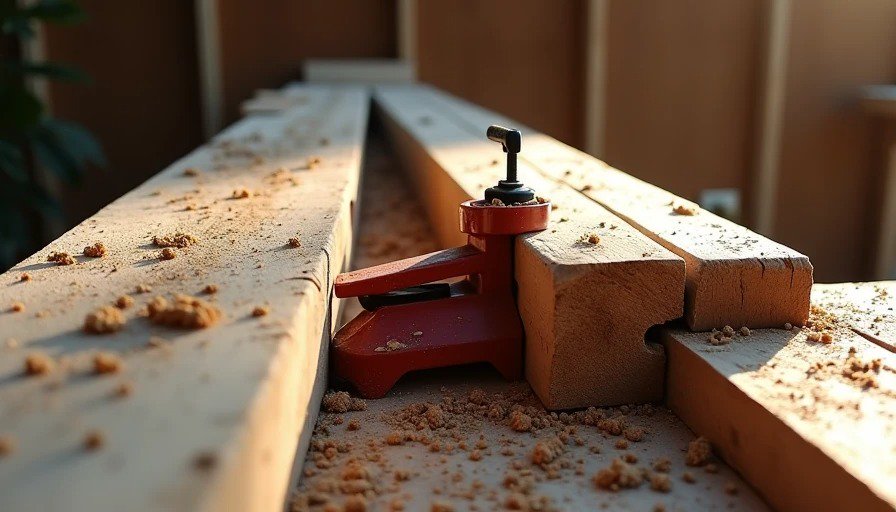
Sister, Don’t Just Patch When you damage something, sister with equal or stronger material, bolt it properly, and add steel plates where needed.
Proper Beam Reinforcement Steps
Install temporary jacks and posts on both sides of the cut.
Sister with new lumber or LVL of adequate size.
Through-bolt with carriage bolts at regular intervals.
Add metal connectors and hangers.
Check level and plumb after loading.
Get inspection if required.
The Cost of Getting It Wrong
On that job, the extra time, materials, and lost productivity probably cost us $4,500 out of pocket. Client change order covered some but not all. Reputation hit was worse — word travels in neighborhoods.
Bigger jobs I’ve seen where someone cut wrong: structural engineer called in, temporary shoring for weeks, insurance claims. Tens of thousands.
In Cleveland winters, an open ceiling or compromised structure is extra miserable. Snow load on a weakened roof? No thanks.
How to Protect Yourself as a Homeowner
When your contractor proposes opening walls or moving anything that might carry load:
Ask specifically: “Is this load-bearing? How do you know?”
Request to see the load path.
Get a structural stamp for anything major.
Be present or have someone check during critical cuts.
Include clear language in the contract about who pays for surprises.
Good crews will walk you through it and show respect for old-house realities. The ones who say “don’t worry, I’ve done this a hundred times” without checking? Walk away.
Other Structural Screw-Ups I’ve Seen (And Made)
I once sistered a joist but missed the end bearing on the foundation. Settled a bit the next year. Fixed it, but it was embarrassing.
Watched a crew remove a wall without proper temporary shoring. Floor above dropped 3/4 inch. Took days to jack it back.
The common thread: rushing or assuming based on surface appearance.
What I Do Differently Now
Every potential load-bearing element gets:
Visual inspection from above and below
Measurement and span check against code tables
Temporary support in place before any cut
Engineer review for anything beyond simple
On my own 1920s Colonial, I’m extra cautious. When I finally tackle the living room, I’ll have an engineer look at it first. Twenty-five years of renovation has taught me patience.
Structural work is not the place to save money or guess. In Cleveland’s old stock, the framing has been through a lot — settling, water, past hacks. Respect it.
Spend the time and money upfront to understand the loads. It prevents the sickening creak, the sagging ceiling, and the expensive fixes later.
A good renovation makes the house stronger, not weaker. Cutting corners on structure is how you turn a dream project into a nightmare.
If you’re planning any wall removals or major framing changes, get it checked properly. Don’t be the guy who has to call me or another old foreman to bail him out.
Of course, I've screwed up plenty of jobs too. That beam is just one example. That's why I'm telling you this.
No signatures yet — be the first!