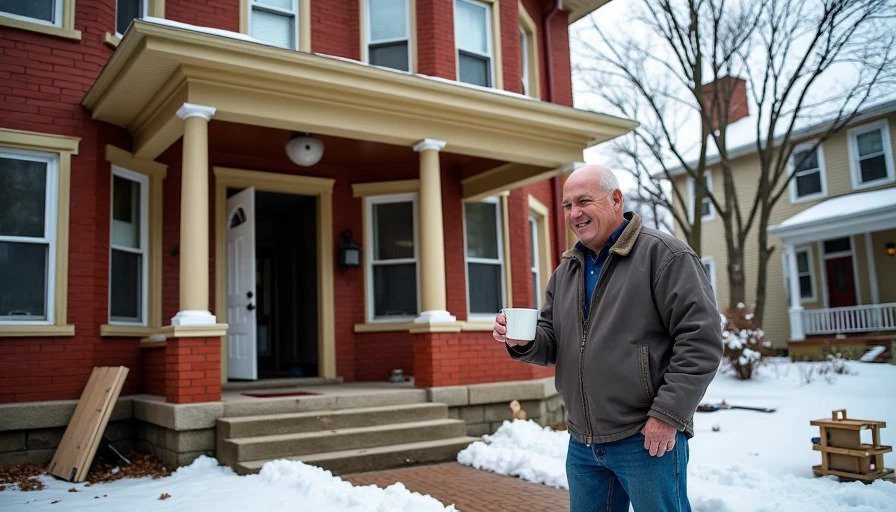
It was supposed to be one summer project back in the late 90s. Update the kitchen, fix some plaster, maybe paint the living room. Twenty-five years later I’m still at it. My wife calls it the world’s longest renovation. She’s not wrong.
I’ve been fixing houses since before cordless drills. You don’t have to learn the hard way.
But I sure did — on my own 1920s Colonial in Cleveland. What started as targeted fixes turned into a slow-motion education in old-house realities. Here’s the honest story of what went wrong, what I fixed right, and what I’d never do again.
How It All Started
Bought the place in the mid-90s. Solid bones. Great neighborhood. Original woodwork. The inspector said minor updates needed. I figured, hell, I run crews for a living. This’ll be straightforward.
First summer I tackled the kitchen. Thought I’d do it piecemeal. Big mistake. Opened one wall and found knob-and-tube, cast iron that needed attention, and subfloor that was spongy in spots. What should have been six weeks became the whole summer. Then fall hit and I had to button it up half-done.
That set the pattern.
The Kitchen That Taught Me Patience
I did the kitchen in stages over three summers. First pass: new cabinets on the existing footprint. Looked decent. Two years later I realized the layout sucked for how we actually cook. Had to rip some of it out and reconfigure.
Lesson: In old houses, live in the space for at least a full year before major layout decisions. I didn’t. Paid for it with extra disruption and cost.
The plumbing under the sink still has one original cast iron run I never fully replaced. It leaks a tiny bit every few years. I tighten the coupling and move on. Ask me how I know about compromises.
Electrical and the Fear Phase
Around year eight I got serious about the wiring. Hired a good electrician for the main circuits and kitchen. Watched him work. Learned more in those two weeks than in years of general remodeling.
We left some knob-and-tube in low-use areas. It’s still there, monitored. The rest is modern. House feels safer. But opening every wall showed me how previous owners had hacked things together. One junction box had wires from three different decades.
Plaster, Paint, and the Never-Ending Living Room
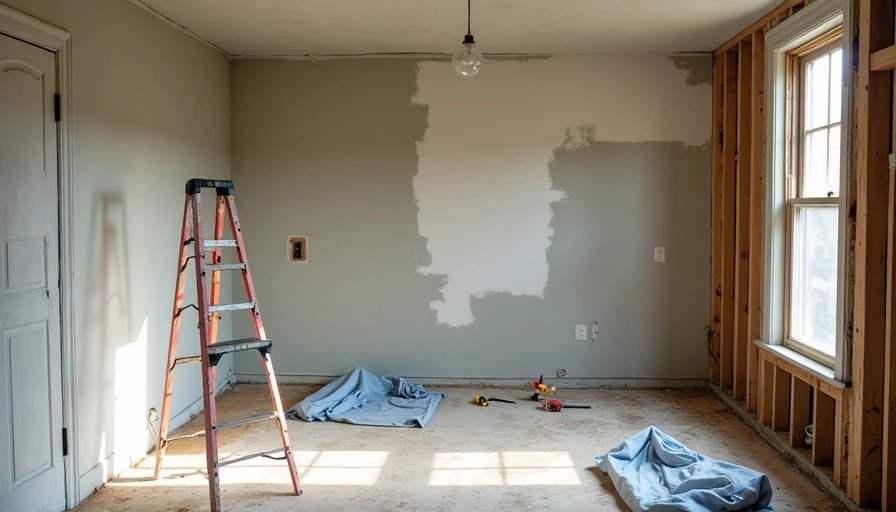
The living room is my white whale. Original plaster with beautiful crown molding. Cracks keep appearing from settling. I’ve patched it four times. Skim-coated twice. Still not perfect.
I keep telling myself “next summer I’ll do the full skim and paint.” My wife rolls her eyes. The room has become storage for tools and drop cloths during other projects.
Plaster taught me respect. It’s better than drywall for sound, but repairs are an art. I got decent at it, but never fast.
Basement and the Moisture Wars
Biggest money and time sink. Poor grading when I bought it. Ignored it too long. One spring the basement got wet. Installed a sump pump and interior drain years later. Should have done exterior grading first.
That project ate an entire summer and part of my pride. Now the basement is usable. Tools stay dry. But it could have been prevented cheaper.
What I’ve Learned After 25 Years
Do the big invisible stuff first. Roof, foundation drainage, electrical panel, insulation. I did some right, some backwards. The backwards parts cost more.
Live in it before major changes. Spend seasons understanding how you use the space and where the house fights you.
Budget for surprises. Old houses always have them. I thought I knew better. Still got surprised.
Piecemeal is expensive long-term. Multiple disruptions, repeated setup costs, learning curves on each phase. One big push would have been smarter if I could go back.
Document everything. Photos of every stage. Notes on what’s behind walls. Future me (or next owner) will thank you.
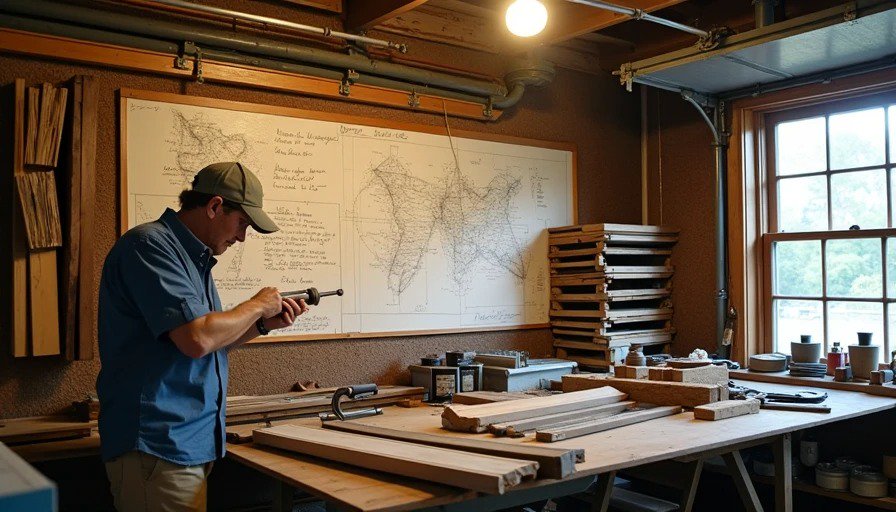
Quality tools and materials pay off. I restored some vintage ones along the way. They still work better than cheap new stuff for certain tasks.
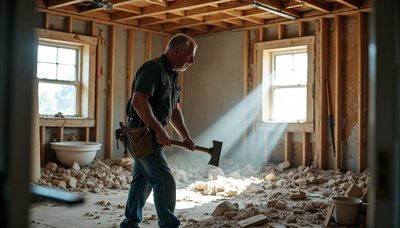
Involve family wisely. Grandkids love demo days. They’ve learned real skills swinging hammers safely. One spotted a load-bearing issue I almost missed. Good eyes.
The Wins That Keep Me Going
The roof is solid. Attic insulated better. Kitchen works well now after the redo. Electrical is safe where it counts. Some original trim I salvaged and reused looks better than new.
The house still feels like home, not a showroom. That matters.
What I’d Do Differently If Starting Over
Hire a structural engineer early for any load questions.
Do full sewer scope and grading fixes in year one.
Plan the whole-house strategy instead of room-by-room.
Save more aggressively before starting big phases.
Accept that perfect isn’t possible. Good enough and solid is the goal.
My 25-year project isn’t a failure. It’s a teacher. Every mistake made me better at my real job too.
Advice for Your Own Long Project
If your old house feels overwhelming, break it into phases but have an overall plan. Prioritize safety and water management first. Don’t rush structural or moisture work.
Get good contractors for the stuff you can’t or shouldn’t do yourself. I’ve done plenty myself, but I still bring in specialists.
And be honest with your family. This might take longer than you think. Make it a shared adventure, not a burden.
Cleveland winters give you time to plan the next summer’s attack. Use it.
The house is still standing strong. So am I. We’re both a little worn, a little patched, but better for the work.
Of course, I've screwed up plenty of jobs too. My own house proves it. That's why I'm telling you this.

No signatures yet — be the first!