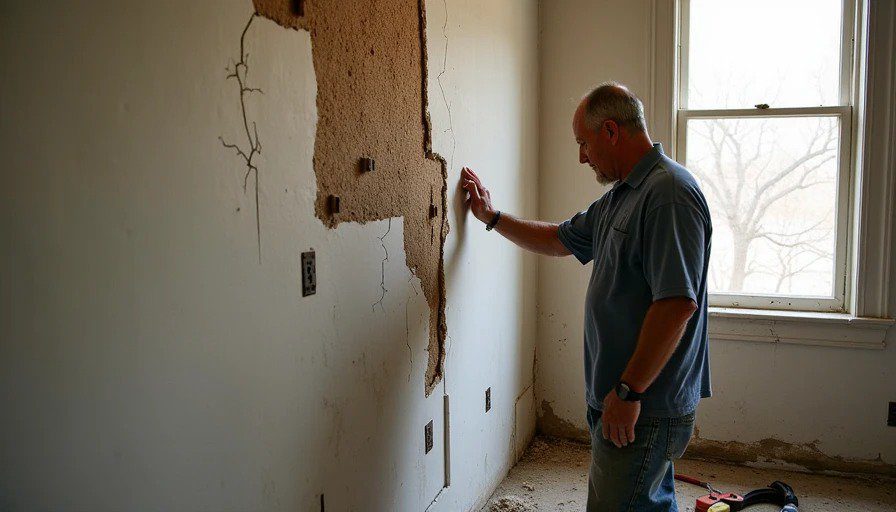
Old houses have plaster. Thick, solid, with character. Drywall is fast, cheap, and what most contractors want to install. Homeowners get caught in the middle wondering what actually makes sense.
In Cleveland 1940s-1970s (and especially 1920s) stock, this decision shows up on every major job. The honest math is rarely discussed because it’s complicated and depends on your house and budget.
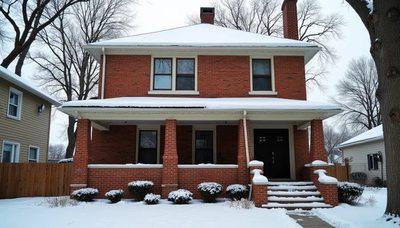
I’ve repaired, demo’d, and replaced both on hundreds of jobs. My own 1920s Colonial still has most of its original plaster. Here’s what I’ve learned.
Why Plaster Was Used (And Why It’s a Pain Now)
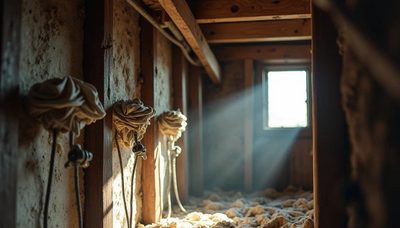
Plaster over wood lath or metal mesh gives thick, dense walls. Great sound deadening. Fire resistance. It feels solid. Built for houses meant to last generations.
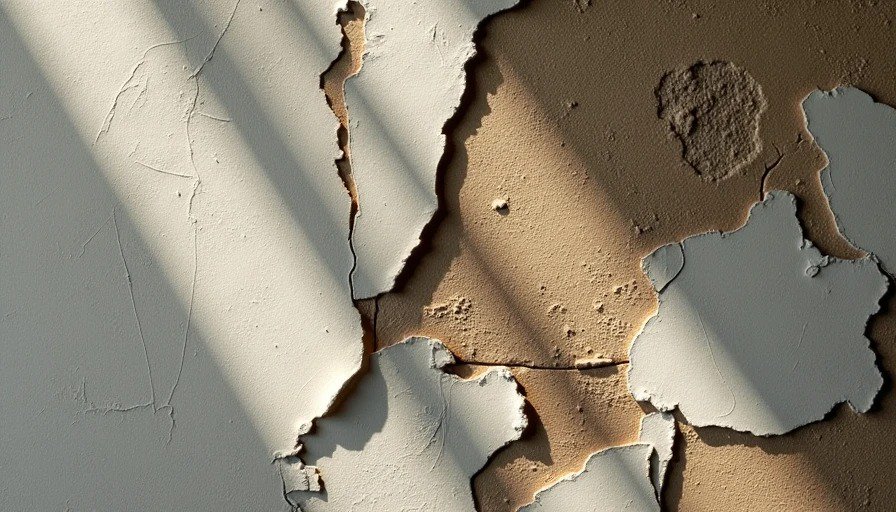
But it cracks with settling. Water damage turns it to mush. Repairs require skill that’s getting rare. Many modern crews would rather demo everything and hang drywall.
Drywall is fast. Sheets go up quick. Finish is predictable. But it’s thinner, sounds hollow, and dents easily. In old houses it can feel cheap if not done right.
The Real Cost Comparison in Cleveland
Don’t believe the “drywall is always cheaper” line. It depends on scope.
Repairing Existing Plaster:
Small patches: $8–$20 per sq ft
Full room skim coat and repair: $12–$25 per sq ft
Major damage with lath replacement: $20–$40+ per sq ft
Full Demo and Drywall:
Demo + disposal: $4–$8 per sq ft
New drywall install + finish: $8–$15 per sq ft
Total: $15–$28 per sq ft (plus trim matching)
On a typical 12x15 room, repairing good plaster can actually beat full replacement when you factor in dust, trim work, and matching original details.
Honest Math Table (Average 200 sq ft Wall Area)
Option | Material + Labor Cost | Time | Sound/Fire | Longevity | Best For |
|---|---|---|---|---|---|
Repair Original Plaster | $3,000–$7,000 | 1-3 weeks | Excellent | Decades+ | Good condition walls |
Skim Coat Over Plaster | $2,500–$5,500 | 1-2 weeks | Very Good | Long | Minor cracks |
Full Demo + Drywall | $4,000–$8,000 | 1 week | Fair | 20-40 yrs | Major damage or layout changes |
Furring + New Drywall over Plaster | $3,500–$6,500 | 10 days | Good | Good | Hybrid compromise |
Numbers are 2026 Cleveland mid-range. Add 20% for surprises in old houses.
When to Repair and Keep Plaster
If the plaster is mostly sound:
Cracks and small holes can be fixed with mesh tape, compound, and skim coats.
Good crews match texture and paint.
Keeps the house feeling original — better resale for true old-house buyers.
Plaster repair takes patience and skill. Find a guy who does historic work or train your crew. It’s worth it in living areas and bedrooms for sound control.
In my house, I’ve patched plaster in the living room multiple times. Still better than hollow drywall.
When Drywall Makes Sense
Go drywall when:
Plaster is crumbling from major water damage.
You’re moving walls or doing full gut.
Budget and timeline are tight.
You want perfectly flat modern walls for certain finishes.
Even then, many smart renos keep plaster where possible and use drywall only on repaired or new sections.
Hybrid approach is common and smart: repair main walls, use drywall on ceilings or additions.
Common Mistakes and Job Site Realities
Contractors push full demo because it’s faster and they know how to price drywall. They hate the variability of plaster repair.
Homeowners see Pinterest perfect flat walls and want to rip everything. Six months later they complain the house sounds different and feels colder.
I’ve demo’d beautiful plaster jobs that were in decent shape just because the client wanted “modern.” Regretted it later when the house lost character.
Dust is another issue. Plaster demo creates insane mess. Drywall is cleaner but still dusty.
Sound and Thermal Reality
Plaster wins here. Thick walls reduce noise between rooms — big plus in older Colonials with bedrooms close together.
Drywall needs extra insulation or soundproofing layers to match, which adds cost.
In Cleveland winters, plaster holds heat better and feels warmer to the touch.
Lessons from 38 Years and My Own House
One job years ago: Client insisted on full drywall in a 1920s house. We did it. Looked great at first. But the character was gone and sound traveled more. They called later wanting some plaster texture back. Too late.
Another: Repaired plaster throughout a bath remodel. Saved money, kept the feel, and the homeowner still loves it 15 years later.
My 1920s Colonial? Most walls are original plaster with years of patches. Living room still has cracks I keep meaning to fix. It’s part of the story. Ask me how I know about never-ending projects.
Practical Advice for Your Project
Have a qualified inspector or experienced plaster guy assess condition before deciding.
Get bids both ways — repair vs replace.
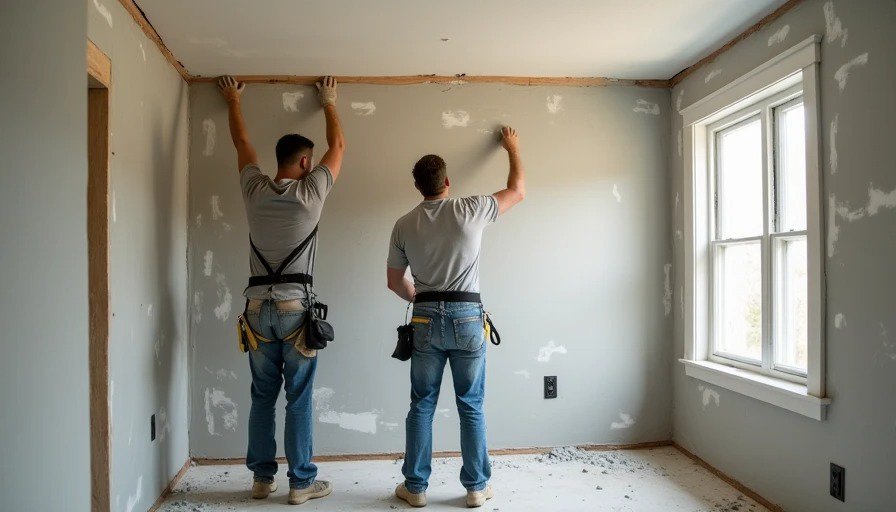
Consider hybrid: Keep good plaster, replace damaged sections with drywall and skim to match.
Match trim and details carefully either way.
Budget for surprises — old plaster often hides wiring or plumbing issues.
If you’re staying long-term, lean toward repair. If flipping fast, drywall might win on speed.
Plaster vs drywall math favors keeping and repairing original plaster in most Cleveland old houses unless damage is severe. It costs less in the long run, sounds better, and preserves the soul of the home.
Drywall has its place for speed and flatness, but it’s not always the bargain people think. Do the honest math for your specific house instead of defaulting to demo.
Your walls will thank you — and so will your wallet and ears.
Next I’ll cover why your old house is damp and why a dehumidifier alone won’t fix it.
Of course, I've screwed up plenty of jobs too. That's why I'm telling you this.
No signatures yet — be the first!