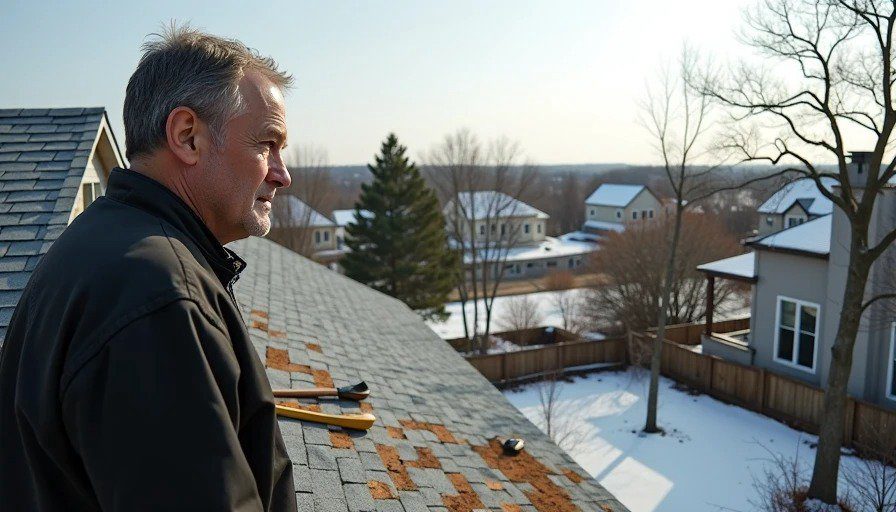
Twenty-five years into my own 1920s Colonial renovation and I still find things to fix. If I could hit reset and do it over with what I know now, the order would look completely different. I’d start with the roof and end with the landscaping. Everything else falls in between.
The biggest mistake most homeowners make — and I made it too — is jumping into pretty interior work while the house is still leaking from the top or flooding from the sides. In Cleveland, that’s a guaranteed money pit.
Why the Roof Comes First
Water is the enemy of every old house. A bad roof ruins everything below it faster than you can say “change order.”
I waited too long on mine. Patched it here and there until one winter ice dam caused interior damage. Should have replaced the whole thing early. New roof with proper ventilation, ice and water shield in the valleys, and good flashing around chimneys and penetrations would have saved me thousands in plaster repairs and insulation replacement.
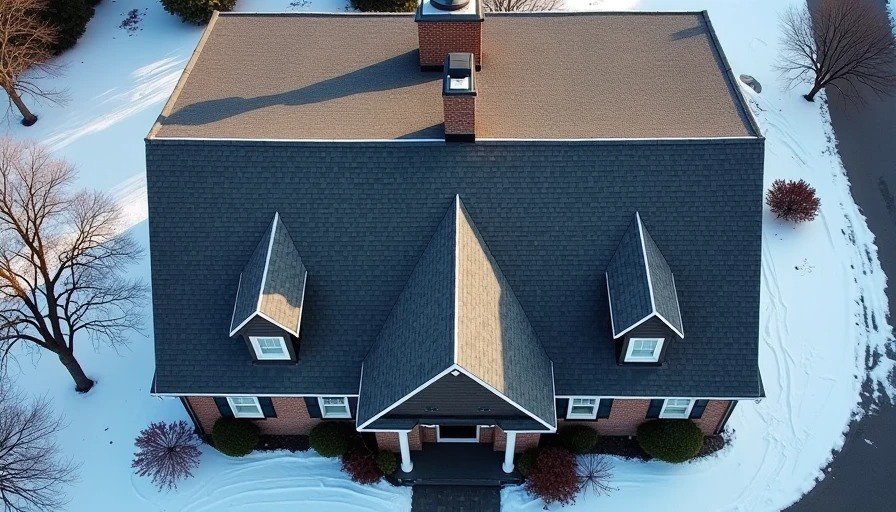
What a proper roof project includes in Cleveland old houses:
Full tear-off of old layers (multiple layers add weight and hide problems)
New underlayment and ice dam protection
Updated flashing and vents
Proper gutter and downspout system with extensions
Ridge and soffit ventilation
Expect $8,000–$18,000 depending on size and pitch. Worth every penny. Do it right and the house stays drier for decades.
Once the roof is solid, you protect all the expensive interior work that comes later.
Next: Drainage, Foundation, and Exterior Envelope
After the roof, fix water at ground level.
Regrade the soil so it slopes away from the foundation. Extend downspouts. Fix window wells. These cheap fixes prevent most basement dampness.
Then address the electrical panel and main systems. Insulation and air sealing. Windows only where they’re truly failing.
I did these piecemeal. Cost more in repeated disruption and lost efficiency.
Then the Big Interior Work
With the house protected from water and weather, tackle kitchens, baths, and living spaces. This is where most homeowners start — and why they end up with mold or warped floors later.
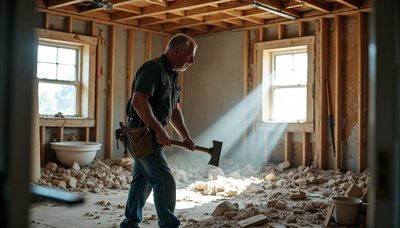
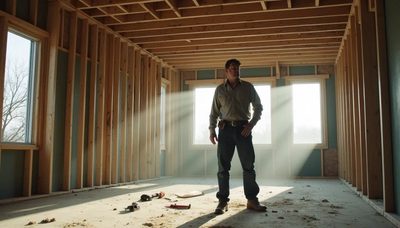
Follow the right sequence: demo, structural fixes, rough-ins, insulation, drywall, finishes. I covered that earlier.
In my house, doing the kitchen in stages taught me that living in the space first helps. But with a solid roof and dry basement, those stages would have been far less painful.
Mechanicals and Efficiency Upgrades
High-efficiency furnace, water heater, and updated HVAC. These pay back in comfort and lower bills. Do them mid-project when walls are open but before final finishes.
Finally — The Landscaping
This is where I’d end it. Why?
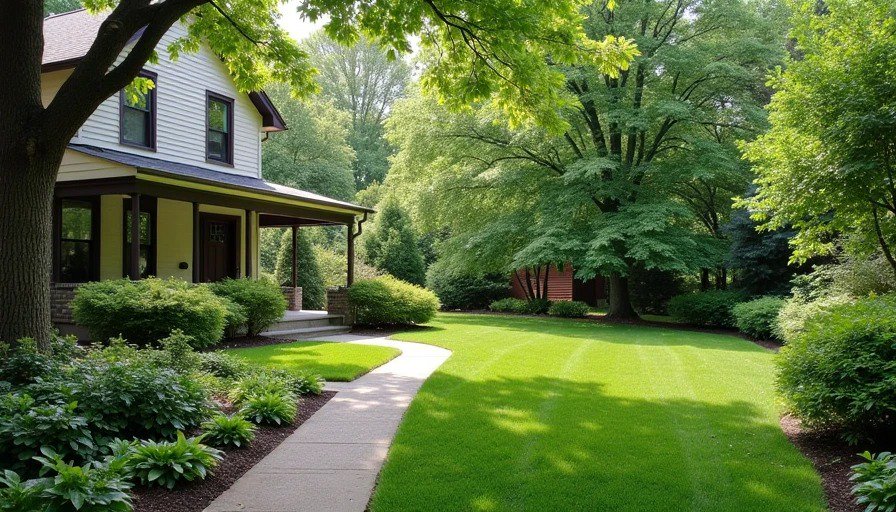
Landscaping gets destroyed during construction. Trucks, dumpsters, grading work, and foot traffic tear up new plants and sod. Do it last and it stays nice.
Proper landscaping also completes the water management plan — final grading, rain gardens, good drainage away from the foundation.
In Cleveland, choose hardy plants that handle our winters. Native species save water and maintenance. A good walkway and patio make the house feel finished.
I planted too early in some areas. Had to redo sections after heavy equipment tore them up. Learned the hard way.
Recommended Overall Order for Old House Renovation
Phase | Priority | Why This Order |
|---|---|---|
Roof Replacement | 1 | Protects everything |
Exterior Drainage & Grading | 2 | Stops water at the source |
Foundation & Basement Waterproofing | 3 | Keeps the bottom dry |
Electrical & Plumbing Upgrades | 4 | Safety first |
Insulation & Windows | 5 | Efficiency gains |
Kitchen & Bath Remodels | 6 | Daily living improvements |
Interior Finishes | 7 | The pretty stuff |
Landscaping & Exterior | 8 | Final touches that last |
Adjust for your specific house, but don’t flip the top priorities.
What I’d Do Differently on My Own House
Hire specialists earlier instead of doing everything myself.
Get a full structural assessment and sewer scope in year one.
Plan phases with clear budgets and timelines.
Involve the family more in decisions — my wife had good ideas I ignored at first.
Accept that “done” is a direction, not a destination.
The piecemeal approach taught me patience and skills, but it cost more time and money overall. One solid push with the right order would have been smarter.
Advice If You’re Starting Your Project
Look at the big picture first. Walk around the house after a heavy rain. Check the roof and basement. Fix what keeps the house dry and safe before you pick paint colors.
Talk to neighbors with similar old houses. They know what worked and what failed locally.
Get multiple bids and references from contractors who actually understand old Cleveland stock — not just new construction guys.
Build in contingency — 15-20% minimum. Old houses always have surprises.
And remember: the goal isn’t a perfect showroom. It’s a comfortable, solid home that works for real life.
My 1920s Colonial is still my favorite place. It’s worn in the right ways, patched where it counts, and keeps teaching me. The roof is good now. The landscaping looks decent. The middle is still a work in progress — and that’s okay.
If I had to do it again, I’d follow this order and finish faster with fewer headaches. You can learn from my long road.
Of course, I've screwed up plenty of jobs too. My own house is living proof. That's why I'm telling you this.

No signatures yet — be the first!