
Here's the deal. Ran a remodeling crew for 38 years.Let me bid hundreds of jobs. Built them too. And every single one had a "By the way" moment.
You sign the contract. Demo starts. Walls come down. Then the phone calls begin: "By the way, we found this..."
Those are change orders. They add 10-25% or more to most jobs in old houses. Sometimes it's legit. Sometimes it's a cash grab. After all these years, I know the difference.
I've been fixing houses since before cordless drills. You don't have to learn the hard way.
My own 1920s Colonial? Twenty-five years of "by the way" moments. Living room still waiting on paint because one fix led to another. World's longest renovation, remember? Ask me how I know.
What a Change Order Really Is
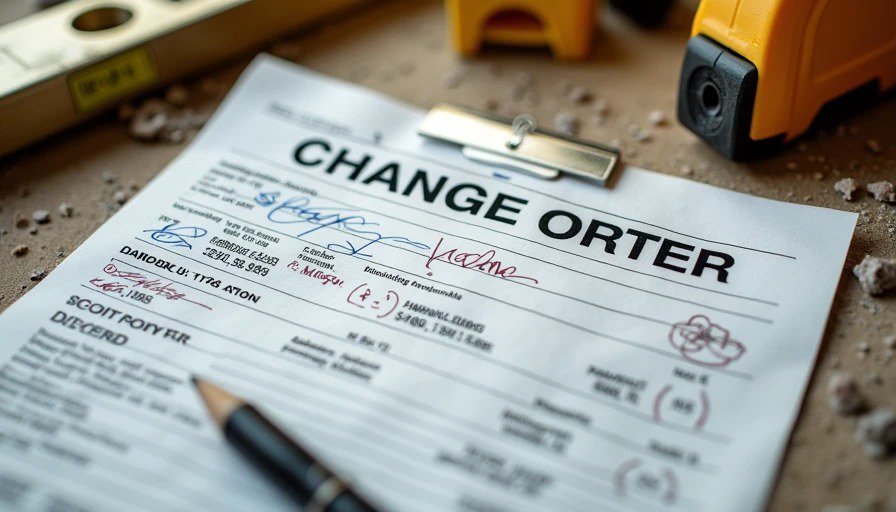
A change order is a written amendment to your contract. It spells out extra work, the new price, and any timeline hit. Good ones protect everybody. Bad ones bleed your wallet dry.
In Cleveland old stock—1940s to 1970s houses especially—change orders are guaranteed. You don't know what's behind 80-year-old plaster until you open it.
Industry average on renovations? 10-15% of the total job. Some hit 25-30% when surprises stack up. That's real money on a $60k kitchen.
The Most Common "By the Way" Surprises
Here's my lifetime list. I've seen every one of these.
Plumbing Nightmares
Old cast iron drains. They look solid until you disturb them. Joints leak. Roots get in. In Cleveland, with our freeze-thaw cycles, they crack.
"By the way, we need to replace the main stack." Add $4,000–$12,000 easy.
Supply lines from the 60s? Galvanized pipe that's rusted shut. Moving a sink six inches? Suddenly you're rerouting everything.
Electrical Time Bombs
Knob-and-tube wiring. Aluminum wiring in some 70s houses. Undersized panels that can't handle modern appliances.
"By the way, the whole kitchen circuit needs upgrading for code." $3,000–$8,000. Plus AFCI breakers and GFCIs everywhere.
I once had a job where we found live knob-and-tube mixed with new Romex. Fire hazard city. Had to redo half the house wiring.
Structural "Gifts"
Sistering joists. Rot under old kitchens and baths from leaks. Load-bearing walls that weren't supposed to be touched but are.
"By the way, this beam needs reinforcing." $2,500–$10,000 depending on how bad.
Foundations with minor settling? Common in Rust Belt clay soil. Not always a deal breaker, but it adds up.
The Homeowner "While You're At It" Specials
These are the ones you cause.
"While you're at it, let's move that doorway."
"Can we upgrade to quartz instead of laminate?"
"Add a pot filler over the stove."
Each one stops the crew, reorders materials, changes the schedule. Late changes cost more because work already done gets ripped out.
Hidden Damage
Water damage behind tile. Asbestos or lead paint. Termite or carpenter ant trails. Mold in damp basements.
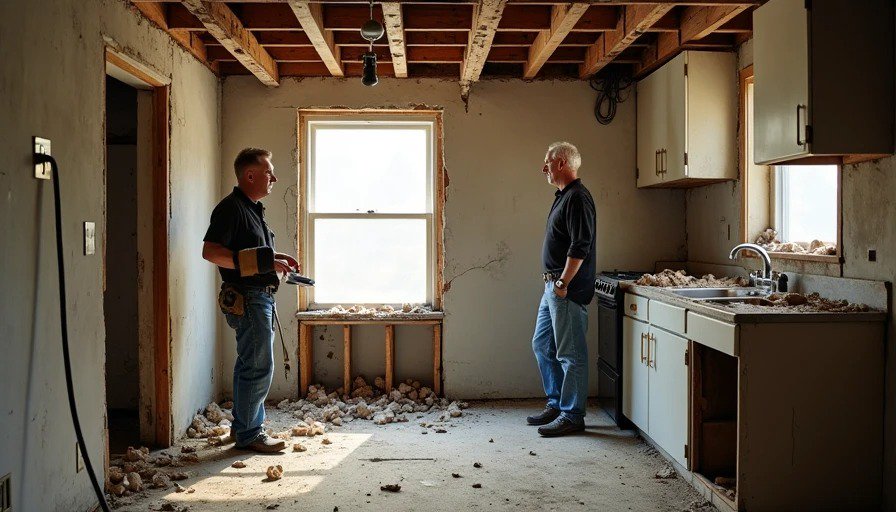
In old Cleveland houses, demo always reveals something. Expect it.
The Bad Contractor Playbook on Change Orders
Some guys lowball the bid knowing they'll make it back here. Red flags:
Vague original scope.
No contingency mentioned.
High markup on extras—25% or more instead of fair 15%.
Pressure to decide fast while your house is torn up.
I saw crews bid low, then hammer clients on every discovery. Not how legit outfits work.
How to Handle Change Orders the Right Way
Before you sign the main contract:
Get a clear change order procedure in writing.
Agree on markup rates upfront—usually cost of work plus 15-20% for overhead and profit.
Build a 10-15% contingency into your budget.
During the job:
Insist on written change orders for anything over a couple hundred bucks. Scope, price, schedule impact. Signed by both.
Get options: repair vs replace, cheap vs better.
Tie payments to milestones, not to change orders.
My simple table I used to show clients:
Type of Change | Typical Cost Add | How to Handle |
|---|---|---|
Plumbing/Electric Surprise | $3k–$15k | Necessary—get competitive quotes |
Structural Fix | $2k–$12k | Non-negotiable, do it right |
Homeowner Upgrade | $500–$8k+ | Decide before or pay premium |
Code Upgrade | $1k–$6k | Required—budget for it |
Use something like this. Compare fairly.
Lessons from My Screw-Ups
I bid one job too tight back in the early 2000s. Ignored some soft spots in the floor. Change orders piled up. We ate some of it. Client wasn't happy. Learned to walk the house better and build realism in.
Another time, a client kept adding "small" things. Timeline stretched two months. Everyone frustrated. Now I tell people: Lock scope before demo.
On my own house? Too many "by the ways." Did the kitchen in pieces over years. Cost more overall. Don't be like me.
Protecting Yourself in Cleveland Old Houses
Walk the job with the contractor pre-bid. Point out concerns. Ask: "What hidden stuff do you see?"
Get multiple bids with same detailed scope.
Hire a good inspector for pre-renovation if it's a big job.
Choose the crew that talks straight about risks instead of promising perfection.
Change orders aren't evil. They're how real work gets done in real old houses. The problem is when they're a surprise or inflated.
Expect change orders. Plan for 10-20% over. But control them with a solid contract, clear communication, and realistic expectations.
The "By the Way" list will show up. Be ready. Pick a crew that handles them fairly instead of using them as a profit center.
Next I'll cover reading bids like a pro and the right order of operations on a job.
Of course, I've screwed up plenty of jobs too. That's why I'm telling you this.




No signatures yet — be the first!