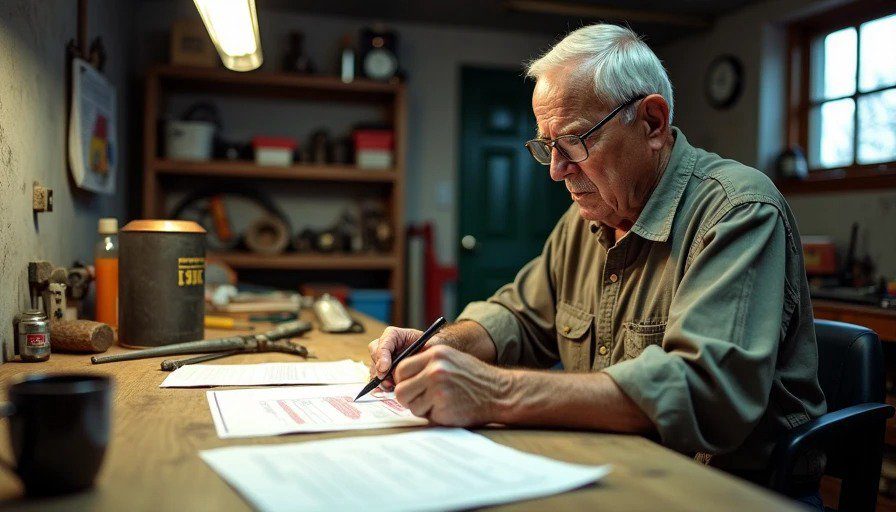
Listen up. 38 years, I wrote hundreds of bids myself. I know exactly how the game works. And I know when a number on paper screams "run the hell away."
Your kitchen reno will cost real money. In Cleveland right now, a solid mid-range job—new cabinets, counters, flooring, appliances, plumbing and electric updates—runs $60,000 to $110,000 depending on the house size and what you find behind the walls. Don't let some smooth talker tell you different.
I've been fixing houses since before cordless drills. You don't have to learn the hard way.
My own 1920s Colonial? Still got projects dragging on after 25 years. I know what hidden costs look like. That's why when I see certain numbers, I tell folks to walk. Here are the three big ones that should send you straight out the door.
Number One: The Crazy Low Bid
This is the biggest trap. Some guy comes in 25-40% cheaper than everyone else. Looks amazing on paper. Your wallet cheers. Your gut should be screaming.
Why? Because he's probably missing stuff. Or planning to hit you with change orders later. Or using the cheapest junk materials that won't last a winter in Cleveland.
A good crew has real costs. Labor alone is 40-60% of the job. Insurance, trucks, tools, shop overhead—that adds up. Legit profit is 10-20%. If he's bidding so low he can't cover that, he's cutting corners somewhere.
I remember one job back in the day. Client got three bids. Lowest was $18k under the middle one. Guy said he could do it fast. We got called in later to fix it. He skipped proper subfloor prep, used bargain cabinets that swelled in the first humid summer, and half-assed the plumbing. Total nightmare. Client ended up paying more than the middle bid to redo it.
What to watch for in low bids:
Vague line items. "Kitchen remodel" with one big number instead of breakdowns.
No allowance for surprises. Old houses have them—guaranteed.
Missing permits or code upgrades.
No disposal or dumpster fees.
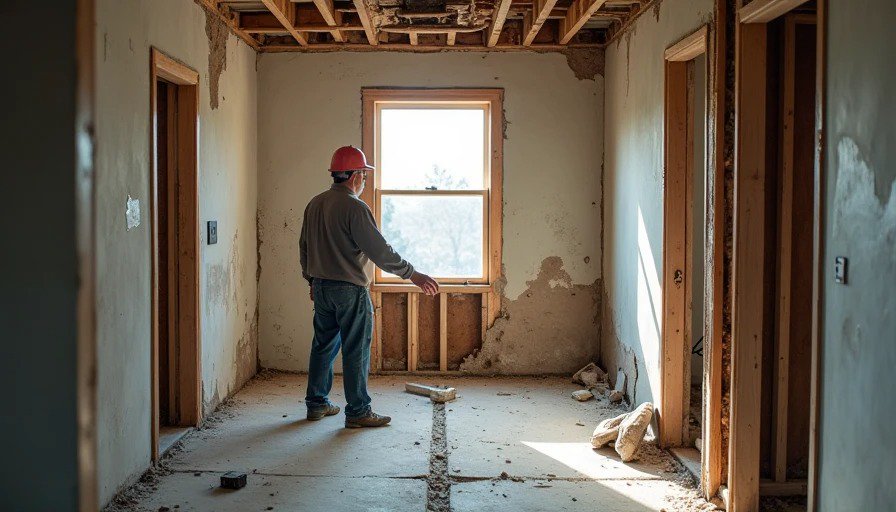
In Cleveland's old stock, you open a wall and find knob-and-tube wiring, cast iron that needs replacing, or joists that need sistering. A low bidder isn't budgeting for that. He's betting you'll pay extra later.
Number Two: The Insane Upfront Payment Demand
Anybody asking for more than 30-40% upfront is waving a giant red flag. Especially on jobs over $20k.
My crews usually took 20-30% deposit to cover materials and initial mobilization. Then progress payments tied to milestones—rough-in complete, drywall done, etc. Final 10-15% after punch list and walkthrough.
Why? Because once the money's all in his pocket, what's his incentive to finish strong or fix issues? None.
Cash-only demands? Walk. No paper trail? Walk. Pressure to pay fast because "materials are going up"? Walk.
I had a buddy who paid 50% upfront on a bath remodel. Contractor disappeared after demo. Took months and lawyers to get anything back. House sat torn up through a Cleveland winter. Not worth it.
Legit payment schedule looks more like this:
20-30% deposit
30% after rough trades (plumbing, electric, HVAC)
25% after drywall and prep
10-15% at substantial completion
Final 10% after punch list and final inspection
Tied to actual work done. Not calendar dates.
Number Three: The Phantom Change Order Budget
This one's sneaky. The bid looks reasonable, but there's no clear process for changes or they lowball the base so they can make it up on "extras."
Change orders happen. On average, they add 10-15% to projects, sometimes more. Old houses guarantee it. But a good bid anticipates the big ones and has fair pricing for them.
Red flags:
Base bid that seems too clean, no contingency mentioned.
No written change order procedure in the contract.
Contractor who says "don't worry, we'll handle it as we go."
I once bid a whole-house job. Client wanted to keep options open. We put allowances in for certain items. When they decided to move a wall, we had a clear process. Price was agreed before work started. No surprises.
The bad ones wait until you're vulnerable—kitchen torn up, no place to cook—and then hit you with inflated prices for every little thing.
How to handle change orders right:
Get a written change order for EVERY deviation. Scope, price, timeline impact. Signed by both sides before work starts.
Fair markup on extras is usually 15-20% for overhead and profit on top of actual costs. Anything over 30% is gouging.
Other Numbers That Raise Eyebrows
Beyond those three big ones, watch these too.
Per square foot that doesn't make sense. For kitchens in older Ohio homes, expect $300-500+ per sq ft for mid-range full gut. Lower and they're skimping somewhere.
No breakdown on major trades. Electrical, plumbing, and structural should have some detail. If it's all lumped, they're hiding something.
Timeline too aggressive. "We'll have you cooking in 3 weeks." In an old house? Bull. Demo, rough-ins, inspections, finishes—real jobs take time. Rushing leads to mistakes.
I put together a simple comparison table I used to share with clients.
Item | Good Bid Signs | Walk Away Signs |
|---|---|---|
Total Price | Competitive with 2-3 others | 30%+ lower or higher |
Upfront Payment | 20-30% | 50%+ or cash only |
Line Items | Detailed by trade/category | One lump sum or very vague |
Change Orders | Clear process and rates | No mention or "we'll figure it" |
Permits/Inspections | Included with allowances | Not mentioned |
Contingency | 10-15% for unknowns | Zero or hidden |
Use something like that. Compare apples to apples.
What to Do Instead
Get at least three detailed bids. Walk the house with each contractor. Ask the same questions:
What do you see as the biggest risks here?
How do you handle surprises?
Can I see recent similar jobs?
Check references. Real ones. Call the homeowners. "Did they finish clean? Fix issues?"
Insist on a solid contract. AIA or good residential form. Everything spelled out.
In Cleveland winters, you don't want your house open longer than necessary. Pick the right guy who bids realistic and delivers.
I've screwed up plenty of jobs too. Bid too tight once and ate the difference on hidden foundation work. Learned to build in realism. That's why I'm telling you this.
Next posts I'll dig deeper into specific numbers—bathroom breakdowns, what a fair roof bid looks like, the real cost of that "while you're at it" impulse.
Don't chase the cheapest. Chase the honest one. Your house—and your wallet—will thank you.
Of course, I've screwed up plenty of jobs too. That's why I'm telling you this.




No signatures yet — be the first!