
I'm Ed Kowalski. Sixty-seven years old, Cleveland born and raised. I started swinging a hammer as a framer back in 1981 when nail guns were still a treat and you carried your tools in a metal box that weighed more than your lunch pail. Spent 38 years on crews—framer, foreman, operations manager, the guy who ran an 8-to-12 man outfit doing mid-range residential remodels. Kitchens, baths, basements, whole houses. Over 700 jobs. Bid them, built them, walked them when they were done.
I've been fixing houses since before cordless drills. You don't have to learn the hard way.
My own 1920s Colonial here in Cleveland? Yeah, I've been "renovating" it for 25 years.
Living room still isn't painted. My wife rolls her eyes every time I say "next summer." World's longest renovation project, that's what I call it. Ask me how I know what a money pit looks like.
People keep calling me even after I retired in 2019.
"Ed, does this bid look right?"
"Ed, should I pay this guy half upfront?"
So I figured, hell, why not put it down in writing.

What Your Money Actually Buys on a Renovation Job
First off, let's get one thing straight. That number on the bid isn't magic. It's labor, materials, overhead, profit, and a bunch of crap you never see until the walls are open.
In Cleveland, for a decent mid-range kitchen remodel in 2026, you're looking at $60,000 to $125,000 depending on size and scope. Smaller cosmetic stuff might start at 20-40k, but full gut with new cabinets, counters, flooring, plumbing and electric? Expect 75k plus easy. That's not me guessing—it's what crews are bidding around here with material prices the way they are.
Labor eats up the biggest chunk, usually 40-60% of the total. My crews charged realistic rates. Good carpenters and trades aren't cheap because they've got families, trucks, insurance, and tools that break. A general contractor has to cover his guys' time, plus his own overhead—truck payments, shop rent, workers' comp, liability insurance, fuel, advertising if he's any good. That's 10-20% right there before he makes a dime of profit.
Profit? Legit crews aim for 10-20% on residential work. Anything less and they're cutting corners or going broke. If someone's bidding way under everyone else, something's off. I've seen it.
Materials are the other big one. Cabinets alone can run 15-40k depending on whether you're going stock, semi-custom, or full custom. Countertops—quartz is popular now, but even that varies. Flooring, tile, fixtures, appliances. Then the unsexy stuff: lumber for framing, drywall, insulation, wiring, pipe.
Don't forget the stuff nobody puts on the fancy Pinterest board: dumpsters, temporary protections, cleanup. Demo debris from an old kitchen can fill a 20-yard roll-off easy. That costs money.
Breaking Down a Real Bid: The Numbers That Matter
Here's how a solid bid looks. I used to build our pricing models from scratch. Good bids break it out so you can see what's what.
Typical line items you'd see:
Demolition and disposal
Rough carpentry / framing repairs
Electrical rough-in and fixtures
Plumbing rough-in and fixtures
HVAC if needed
Drywall, taping, painting
Cabinets and installation
Countertops
Flooring
Tile work
Trim and finish carpentry
Permits and inspections
Cleanup and final punch list
A good contractor separates labor and materials where it makes sense, or at least gives clear categories. Lump sum is okay for small jobs, but for anything over 20k, you want details.
I once had a client who got three bids. One was 15% lower than the others. Looked great on paper. Turned out the low guy didn't include demo of the old subfloor or asbestos testing in the walls. Surprise, surprise—opened it up and there was old knob-and-tube wiring and some water damage. Change orders piled up. Ended up costing more than the middle bid.
Red flags in bids:
No line items or vague descriptions like "kitchen remodel - $XX,XXX."
No mention of permits.
No timeline or schedule.
Huge upfront payment demands (more than 30-40% deposit is sketchy).
No exclusions listed (what they're NOT doing).
Way too cheap compared to others.
The Hidden Costs Nobody Talks About Upfront
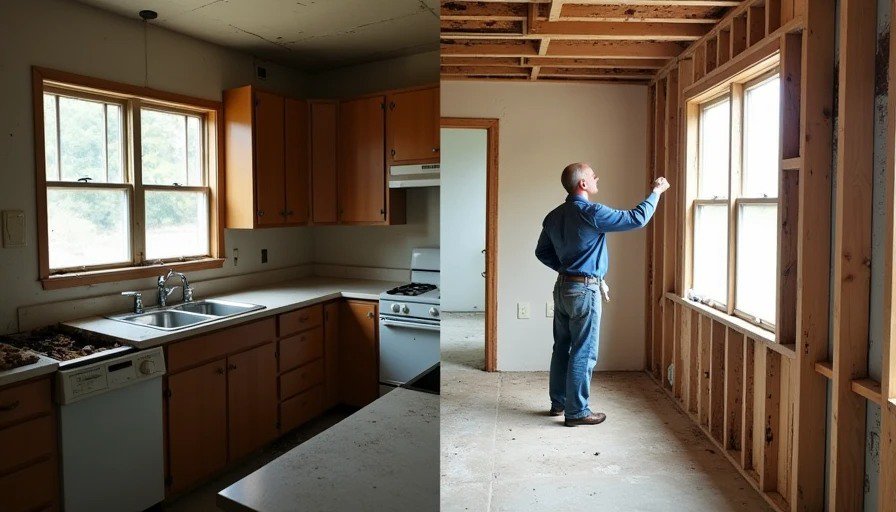
This is where homeowners get killed. You open a wall and find 70-year-old plumbing that's about to burst. Or the floor joists are sistered with who-knows-what. Or the electrical panel is undersized for modern appliances.
In old Cleveland houses—plenty of them around here—expect surprises. Cast iron drains that leak at joints. Plaster that crumbles. Foundations that settled. Damp basements that need real waterproofing, not just a dehumidifier.
Permits and inspections add up. In Cleveland, depending on the scope, you're talking hundreds to a couple grand. Then code upgrades—new GFCI outlets, AFCI breakers, bringing things up to current standards. That's not the contractor being greedy; that's the city.
Temporary living if it's a big job. Eating out because the kitchen's torn up. Storing your stuff. All that nickel-and-dimes you.
Change orders. The "while you're at it" syndrome. Client sees the walls open and decides to move a doorway or upgrade the backsplash. Every change costs time and money. My rule: lock in as much as possible before demo starts.
How to Protect Yourself Before You Sign
Get multiple bids—three minimum. Apples to apples. Same scope, same level of detail. Walk the job with each contractor. Ask questions. "What do you see as the biggest risk here?" Good ones will tell you.
Check references. Not just the happy ones—ask for recent jobs and talk to the homeowners. Did they finish on time? Clean up? Fix punch list items?
Get everything in writing. Scope, timeline, payment schedule (usually 30% deposit, progress payments tied to milestones, final 10-15% after punch list), change order procedure.
Understand your contract. What happens if there's hidden damage? Who pays for what?
I've screwed up plenty of jobs too. Cut a beam I shouldn't have once. Cost us time and money. Learned to slow down and look twice. That's why I'm telling you this.
The End
Your renovation money buys skilled labor, quality materials, coordination between trades, insurance protection, and someone who knows how to get it done without burning the place down. It buys peace of mind if you pick the right crew. But it also buys all the invisible work that makes the pretty stuff last.
Don't chase the cheapest bid. Don't fall for the smoothest talker. Look for the guy who sounds like he knows what he's doing because he's done it hundreds of times.
In the posts coming up, I'll break down specific numbers—kitchen costs per square foot, what a fair bathroom bid looks like, the change order traps. Real line items from real jobs I've bid.
This ain't a showroom. It's your house. In Cleveland winters, with real life and real wear. I'm here to help you spend smarter so you don't end up with my 25-year project.
Of course, I've screwed up plenty of jobs too. That's why I'm telling you this.




No signatures yet — be the first!