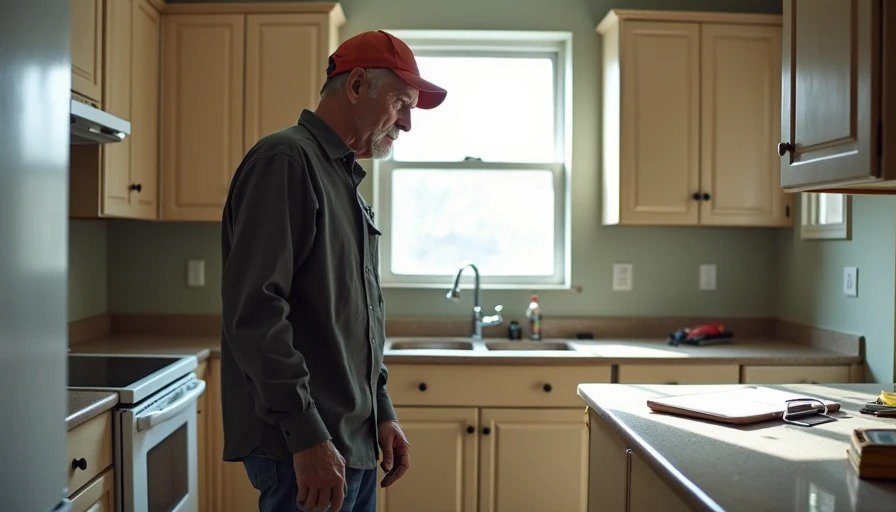
The last week should feel like victory. Instead, it often feels like herding cats through mud. Crews get distracted, parts go missing, and that “almost done” turns into two or three extra weeks.
In old Cleveland houses this phase bites harder. Settling, humidity changes, and 70-year-old quirks show up right when you want to be cooking in your new kitchen.
I’ve seen it on hundreds of jobs. The last week separates good crews from the ones you’ll never hire again.
Why the End Always Drags
Momentum dies when the big visible work is finished. Early phases have clear deadlines and inspections pushing everyone. The end is all small details.
Trades don’t want to come back for one outlet or a hinge. Suppliers deliver the wrong trim color. Paint touch-ups show up under new lighting.
Cleveland weather doesn’t help. A cold snap or sudden thaw can make doors stick or grout cure wrong.
The crew is already thinking about the next job. Attention slips. That’s when mistakes compound.
The Punch List Nightmare
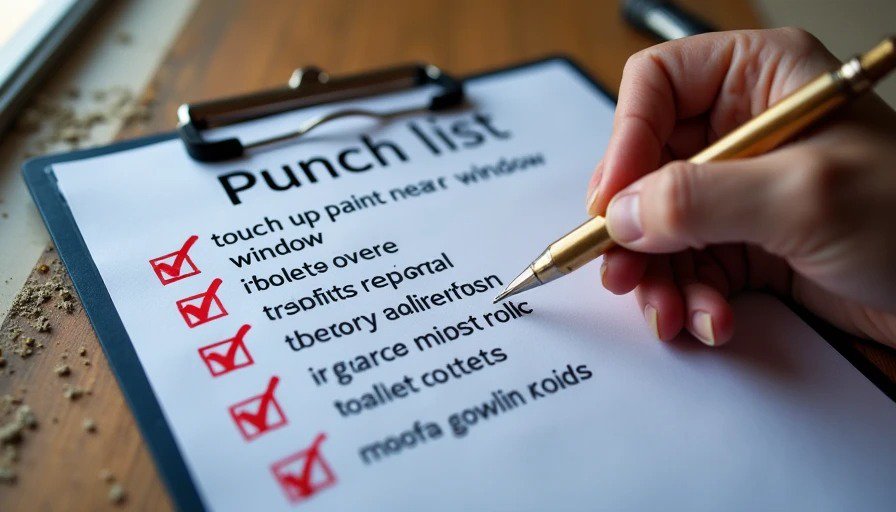
Every job ends with a punch list. Some are ten items. Some balloon to fifty.
A good list is specific: “Touch up paint on the north wall, left of window, two spots.” Bad ones say “fix paint.”
Homeowners get excited and start noticing every tiny imperfection. Contractors get defensive.
What usually ends up on the list:
Paint touch-ups and missed spots
Cabinet and drawer alignment
Loose trim or baseboards
Fixture installation and caulking
Electrical cover plates and switch alignment
Flooring scratches or transitions
Door and window operation
Final cleaning
In old houses, add “fix new squeaks that appeared after settling” or “adjust for minor shifts.”
I recommend a joint walkthrough. Both sides note items. Set clear deadlines for completion — usually 7-14 days.
Payment and Retention: Don’t Let Go Too Soon
This is where homeowners get burned.
Never release the final 10-15% until the punch list is complete and you’ve lived with the work for a bit.
My crews worked on progress payments tied to milestones. Final payment waited until everything passed inspection, punch list zeroed, and homeowner signed off. Sometimes we held a small retainer for 30 days.
Red flags in the last week:
Pressure to release final payment early “so we can pay the guys.”
Crew disappearing after most work looks done.
Vague promises about coming back “next week.”
Hold that money. It’s your leverage.
Common Last-Week Surprises in Old Houses
Doors and Cabinets
New humidity levels or settling make doors rub. Cabinets that fit perfect during install suddenly need shims.
Lighting and Electrical
Fixtures look great until you turn them on at night and see shadows or misaligned switches.
Flooring Issues
Gaps appear at transitions. Minor subfloor movement shows as squeaks under new hardwood.
Caulk and Seals
Shrinks or cracks in the first temperature swing. Especially around tubs and windows in Cleveland winters.
Cleanup
This is the big one. Dust everywhere. Construction debris in cabinets. Good crews do professional final clean. Bad ones broom once and leave.
One job I managed, the crew rushed the end. Left silicone caulk smears on new quartz. Homeowner discovered it after we thought we were done. Cost us a Saturday to fix.
What to Watch For as the Homeowner
Walk the site daily the last two weeks. Take timestamped photos.
Test everything:
Run every faucet hot and cold.
Flush toilets, check drains.
Open and close every door and drawer.
Turn on all lights and appliances.
Check for level and plumb where it matters.
Bring a level, flashlight, and notepad.
Insist on seeing the final inspection sign-off before final payment.
If something feels off, speak up immediately. Good crews want to make it right before you pay.
Simple Last-Week Checklist
Area | What to Check | Common Fix |
|---|---|---|
Kitchen/Bath | All fixtures, caulk, leaks | Re-caulk, tighten |
Trim & Paint | Gaps, touch-ups, color match | Touch-up paint |
Flooring | Squeaks, transitions, scratches | Secure or replace |
Electrical | Outlets, switches, lights | Adjust covers |
Overall | Cleaning, debris, odors | Professional clean |
Operation | Doors, windows, appliances | Adjust or lube |
Use it. Walk through together.
Stories from the Trenches
I once had a whole-house job where the last week stretched into three. Missing cabinet hardware from the supplier. We waited. Client was patient, but it tested everyone.
Another time, a crew I supervised left dust in every drawer. Homeowner found it weeks later. We went back and did a deep clean on our dime. Lesson learned.
On my own 1920s Colonial? The “last week” of the kitchen has lasted years. I still find things to tweak. Don’t be me.
How Good Crews Handle the End
They stay organized. Schedule the final punch list walkthrough early. Order all finish materials with buffer time. Keep one or two guys dedicated to details instead of pulling everyone to the next job.
They communicate. “We’ll be back Tuesday for the remaining five items.”
They take pride. A clean, complete job is their best advertising.
The last week gets weird because the easy work is done and the details are picky. Old houses make it worse. Plan for it. Hold final payment. Stay involved.
A good crew gets you through it clean. A bad one leaves you chasing them for months.
Watch the details now so you don’t pay later.
Next posts will dig into Old Stock problems like knob-and-tube and cast iron drains.
Of course, I've screwed up plenty of jobs too. That's why I'm telling you this.
No signatures yet — be the first!