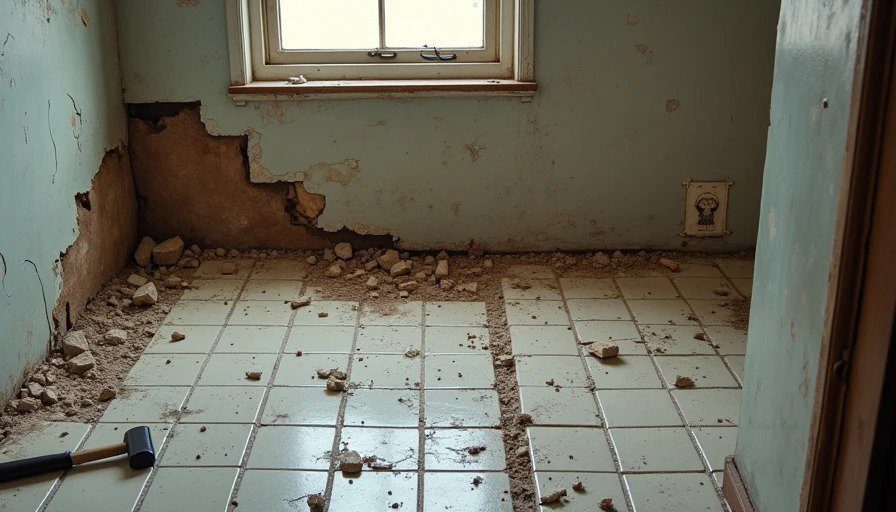
Tile on tile is one of those shortcuts that looks smart on paper. Rip up the old stuff? Too much mess and money. Just slap new tile right over it. Saves time. Saves cash upfront. Great for flipping or quick resale.
Except it almost always turns into a bigger headache and bigger bill later. I’ve demo’d enough of these jobs to know.
In Cleveland’s old houses, this trick bites harder because of uneven subfloors, moisture issues, and decades of settling. What seems like a bargain usually costs triple when you finally fix it right.
Why People Choose Tile on Tile
The pitch sounds reasonable.
Less demo dust and disruption.
Faster turnaround — days instead of weeks.
Lower initial cost — maybe $4,000–$8,000 savings on a bathroom floor.
Height difference can be hidden with transitions.
Real estate agents love it for listings. “Updated bath!” on the MLS. Homeowners in a rush buy the story.
I get it. Nobody wants their house torn up longer than necessary. But I’ve seen the aftermath too many times.
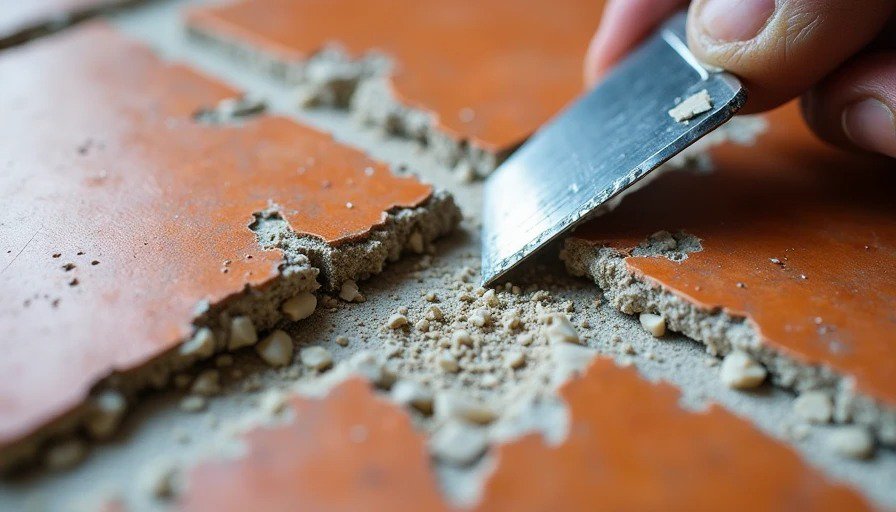
What Actually Happens When You Tile Over Tile
The problems start hidden and show up later.
Adhesion Failure
Old tile is smooth and glazed. New thinset doesn’t bond well without serious prep like grinding or special primers. Over time — especially with Cleveland’s humidity swings and foot traffic — tiles loosen, crack, or pop.
I pulled up a “professional” tile-on-tile job in a 1960s ranch. New tiles were floating in places. Water had wicked between layers. Subfloor underneath was starting to rot. Total redo.
Height Build-Up
Each layer adds 3/8" to 5/8". Do it twice and doors won’t close. Toilets and cabinets look wrong. You end up with ugly ramps or transitions that collect dirt.
Trapped Moisture
Old tile often hides leaks or poor waterproofing. New tile on top seals the problem in. Mold grows between layers. You won’t smell it until it’s bad.
Weight and Structural Load
Old houses weren’t built for extra layers. Add tile, mortar, and backer — it stresses joists that might already need sistering.
Future Repairs Are Hell
Want to change anything? Good luck. Removing double layers destroys more. Cost goes way up.
Real Cost Comparison: Now vs Later
Here’s the math I used to show clients.
Basic Bathroom Floor (60 sq ft)
Approach | Upfront Cost | Long-Term Issues | Total Likely Cost (5-10 yrs) |
|---|---|---|---|
Tile on Tile | $6,000–$9,000 | Failures, moisture | $18,000–$25,000+ (full redo) |
Proper Full Removal & Install | $10,000–$15,000 | Minimal if done right | $12,000–$16,000 |
Savings now vs cost later | Save $4k–$6k | Pay 2-3x overall | Net loss |
That “cheap” option usually costs triple when you factor in the inevitable redo plus damage to subfloor and surrounding work.
On bigger kitchen floors the numbers get uglier.
Proper Way to Do Tile in Old Houses
Rip it out. All of it. Then do it once.
Demo to Subfloor — Remove old tile, adhesive, underlayment. Inspect and repair subfloor as needed (see my last post).
Level and Stabilize — Fix joists, use self-leveling compound or patches for flatness. Tile demands a flat surface — within 1/4" in 10 feet.
Backer Board — Cement board or similar over the subfloor. Screw it properly, tape seams. This is non-negotiable for durability.
Waterproofing — Especially in showers and wet areas. Modern membranes beat old paint-on stuff.
Thinset and Tile — Quality mortar, proper trowel notches, consistent spacing. Use a laser level constantly.
Grout and Seal — Good grout, sealed against stains.
This takes more time upfront but lasts decades instead of years.
In Cleveland winters, pay extra attention to transitions to unheated areas. Cold floors make tile issues show faster.
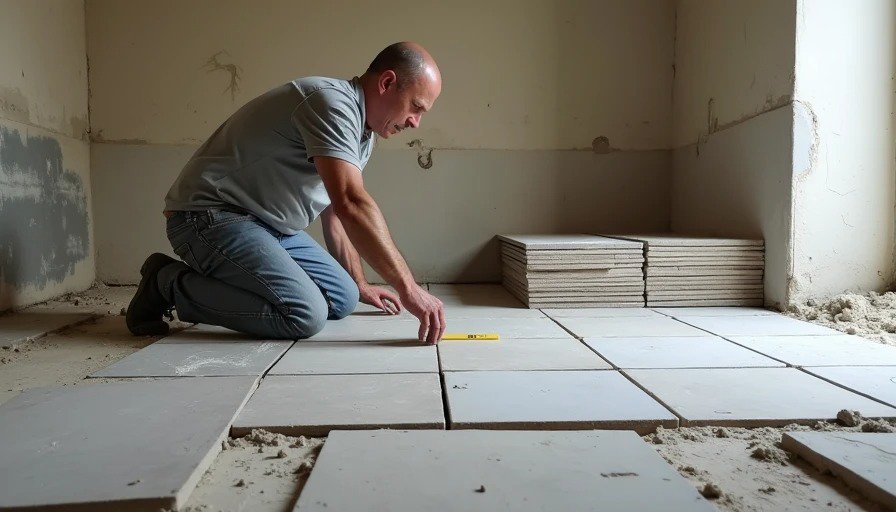
Job Site Stories That Prove the Point
One client wanted tile on tile in their 1950s bath to save money before selling. Six months after closing, new owners called me to fix loose tiles and mold. They blamed the previous owners. Cost everyone more.
Another job my crew fixed: previous “pro” tiled over old without removing. We found three layers total. Subfloor was toast. The homeowner paid for the original shortcut twice.
My own 1920s Colonial? I learned early. Tried a small patch tile-on-tile in a mudroom once. Lasted three winters. Never again. Ripped it and did it right. Still solid.
When Tile on Tile Might Be Acceptable (Rare Cases)
Only if:
Selling immediately and buyer knows.
Budget is extremely tight and you plan to redo soon anyway.
Old tile is perfectly sound, flat, and you use proper bonding primer and thinset.
Even then, I usually advise against it. The risk isn’t worth the savings.
For permanent living in an old house? Rip it.
Red Flags When Contractors Push This
“We can save you a ton by going over the existing.”
No subfloor inspection mentioned.
Timeline suspiciously short.
No discussion of height or transition issues.
Good crews explain the trade-offs. The ones chasing volume love tile-on-tile because it’s fast money.
Protecting Yourself on Tile Jobs
Insist on full demo to subfloor in the scope.
Walk the job during demo. Take photos.
Get the tile specification and installation method in writing.
Ask for warranty on the tile work — real one, not just materials.
Budget for proper prep. It’s cheaper than callbacks.
Tile on tile is a for-sale fix that looks good short term and bites hard later. In Cleveland old houses with their quirks, it almost always costs you triple when failures hit.
Do it right the first time. Rip to the bone, fix the subfloor, install properly. You’ll thank yourself every morning when you step out of the shower on solid tile that doesn’t move.
Next up: what a real waterproofing job actually looks like — because paint in a can sure isn’t it.
Of course, I've screwed up plenty of jobs too. That's why I'm telling you this.

No signatures yet — be the first!