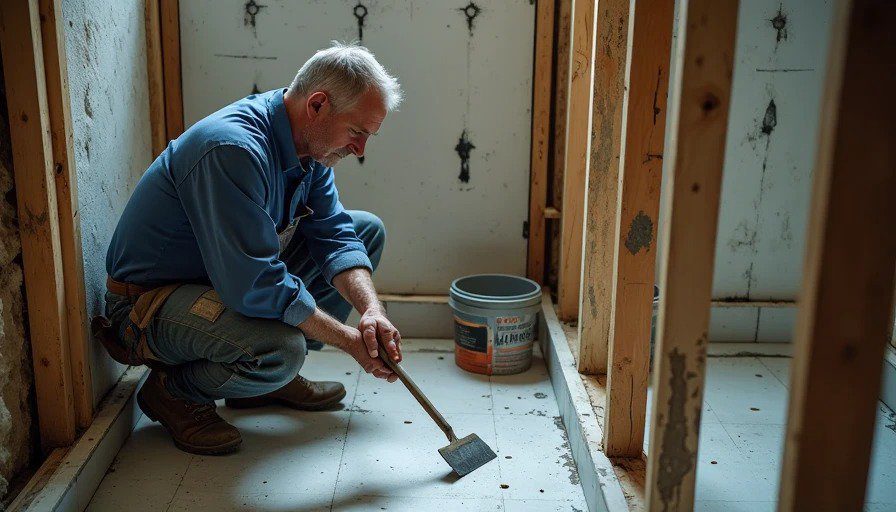
A can of RedGard or some other waterproofing paint sounds easy. Roll it on, let it dry, tile over it. Done. Contractors push it because it's fast and cheap. Homeowners buy it because they don't know better.
It fails. Usually in five to ten years. Sometimes sooner in Cleveland's damp, freeze-thaw climate. I've demo'd enough bathrooms and basements with black mold and rotting framing to tell you straight: real waterproofing is a system, not a coat of paint.
Why Paint-on Solutions Fall Short
Liquid membranes like RedGard have their place for small repairs or low-risk areas. But relying on them as your primary defense in a shower or damp basement is asking for trouble.
Application is finicky. Miss a spot, go too thin, or have one pinhole? Water gets behind and stays there. Old houses have movement. Paint cracks. Tile pops. Mold grows where you can't see it until the smell hits.
In 1940s-1970s Cleveland homes, foundations and walls weren't built with modern drainage. Add a bathroom remodel with shortcut waterproofing and you're trapping moisture in 80-year-old wood.
I watched one "pro" job where they painted the walls, tiled, and called it good. Two years later the homeowner had water behind the tile and needed the whole surround ripped out again. Cost triple.
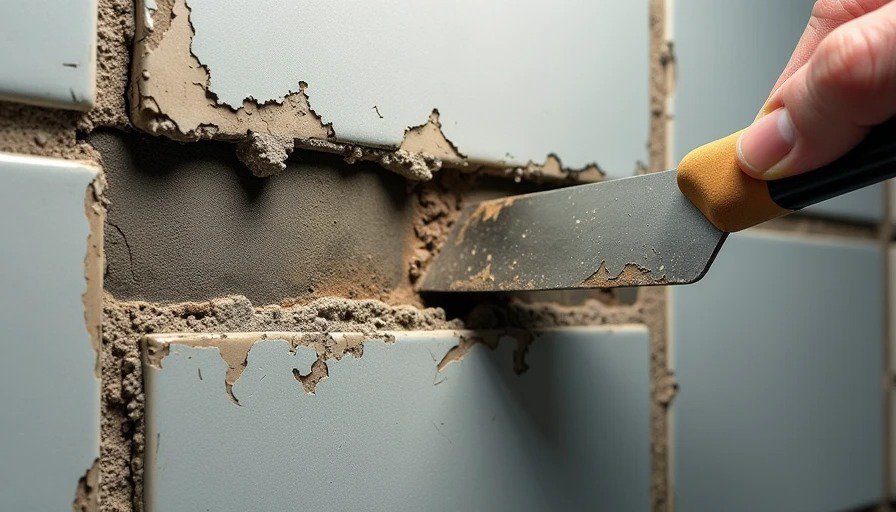
What Real Waterproofing Actually Involves
A proper job creates multiple redundant layers that direct water where it belongs — to the drain or outside.
For Showers and Wet Areas
Solid Substrate — Cement backer board or waterproof panels over properly repaired framing and subfloor. No greenboard or regular drywall.
Sheet Membrane or Preformed System — Kerdi, Wedi, or similar. These are the gold standard. Bonded with thinset, seams overlapped and sealed. Corners get special pieces. Creates a continuous waterproof envelope.
Proper Slope and Pan — Shower floor slopes 1/4" per foot to the drain. Pre-sloped foam or mud bed with membrane. No flat pans hoping water finds its way.
Sealing Every Penetration — Pipes, valves, niches. All detailed carefully.
Quality Tile and Grout — But the membrane is what actually keeps water out, not the tile.
Liquid membrane can be part of the system — applied over the sheet in high-risk spots — but never the only defense.
For Basements
Cleveland basements are notorious for water. Interior drain tile systems with sump pumps and wall vapor barriers are common and effective. Exterior excavation and dimple board is more permanent but disruptive and expensive — $80-125 per linear foot.
Real jobs address the source: grading outside, extending downspouts, French drains. Not just pumping water that already got in.
Common Waterproofing Failures I've Seen
Paint applied over dirty or unprepared surfaces.
No sealing at corners, seams, or floor-wall joints.
Missing or poorly installed curb on shower pans.
No vapor barrier or improper insulation leading to condensation.
Relying on caulk as waterproofing (it fails fastest).
One 1950s house I worked on had "waterproofed" basement walls with paint. Water still came through block pores. We installed a full interior system. Homeowner finally had a dry space.
Cost Reality in Cleveland Old Houses
Don't expect miracles for cheap.
Shower Surround (average): Proper sheet membrane system adds $1,500–$3,500 over basic paint method. Worth every penny.
Full Bathroom Waterproofing: $4,000–$8,000 depending on size and complexity.
Basement (1,000 sq ft): Interior systems $3,000–$14,000. Average around $5k–$8k for typical problems.
Cheap now means expensive later when you rip moldy drywall and replace framing.
Rough Cost Breakdown Table (Bathroom Shower)
Item | Basic Paint Method | Real Sheet Membrane System |
|---|---|---|
Substrate Prep | $800–$1,200 | $1,200–$1,800 |
Waterproofing | $400–$800 | $1,800–$3,000 |
Labor for Detailing | Low | Higher (skilled) |
Longevity | 5–10 years | 25–50+ years |
Risk of Callback | High | Very Low |
How to Spot Good Waterproofing Work on Site
During rough-in and pre-tile phase, look for:
Continuous membrane coverage with no thin spots.
Proper overlaps (usually 2-4 inches) and sealed seams.
Flood test: fill the shower pan and watch for leaks overnight.
Professional detailing around every pipe and corner.
Documentation and warranty from the installer.
A good crew will invite you to inspect before tile goes up. The ones who don't? Walk.
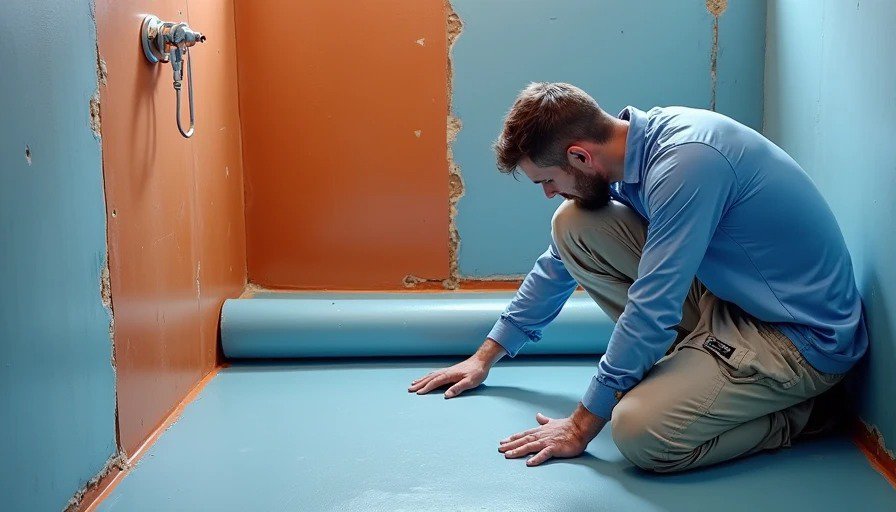
My Own Hard Lessons
On my 1920s Colonial, I tried cutting corners on a basement wall years ago. Painted it. Thought it was fine. Water found its way. Had to redo it properly later. Cost more time and money. Ask me how I know.
Another job my crew bid: client wanted the cheap option. We warned them. They insisted. Two years later they called us back. We fixed it right the second time.
Protecting Yourself in the Contract
Specify sheet membrane system (brand it if you want).
Require flood testing and photos of all steps.
Include warranty on the waterproofing work — minimum 10-25 years.
Make final payment contingent on successful test and inspection.
Don't let them tile until you've seen the membrane complete.
In old Cleveland houses, assume moisture is trying to get in. Plan accordingly.
Real waterproofing is boring, hidden work done right so you never think about it again. A can of paint is marketing. It looks like progress until it isn't.
Spend the money on proper systems. Your new bathroom or dry basement will last decades instead of needing another reno before the kids finish school.
Next I'll cover the last week of the job — when things always get weird.
Of course, I've screwed up plenty of jobs too. That's why I'm telling you this.
No signatures yet — be the first!