I've been fixing houses since before cordless drills. You don't have to learn the hard way. When it comes to house remodeling project planning, the biggest mistake I see homeowners make is diving in without a real budget. Not a wish number, not a loan limit — a real, line-item budget that accounts for every nail, permit, and dumpster. I've bid over 700 jobs, and I can tell you this: planning is the difference between a renovation you love and a renovation you survive.
Let's start with the number that matters most: your total spend. For a typical kitchen remodel on a 1940s house, figure at least $35,000 for a mid-range job. Bathroom? $15,000 minimum. Basement finish? $25,000 if you're lucky. These are Cleveland numbers, not Manhattan — adjust for your market. But here's the kicker: most homeowners forget the soft costs. Permits, dumpsters, port-a-potties, temporary storage, and the extra month of takeout when the timeline slips. That can add 15% to your total.
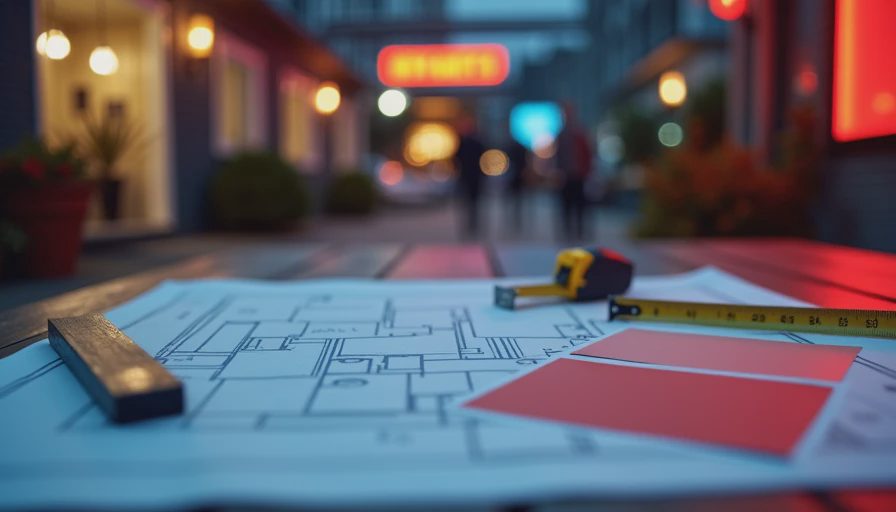
The Order of Operations Is Non-Negotiable
You can't pick tile before you know if the walls are straight. That sounds like common sense, but I've watched three different clients buy $8,000 worth of antique fixtures only to find out the plumbing lines won't reach. House remodeling project planning means understanding the sequence: first structural, then mechanical, then finishes. You rough in electrical and plumbing before you insulate. You insulate before you drywall. You drywall before you tile. Every time a contractor has to backtrack, you pay for it — and I mean real money. $500 to cut out a wall you just finished? Easy. So write down the order. Tape it to the fridge. Live by it.
What a Realistic Timeline Looks Like
A lot of homeowners think a kitchen can be done in three weeks. On paper, sure. In real life, with a 1950s house with knob-and-tube wiring and cast iron drains? Plan on eight weeks from demo to final walk-through. I've seen a single cabinet delivery delay push a job by three weeks. I've seen a backordered window add a month. When you're doing house remodeling project planning, add 50% to whatever time the contractor quotes. Not because they're lying — because materials break, trucks break, and the weather doesn't care about your schedule.
How to Get a Fair Bid
Never accept a bid that says "allowance" for things like cabinets or countertops. That's a blank check. A proper bid lists every line item: labor, materials, permits, cleanup, overhead, profit. For example: 40 hours of demolition at $50/hour = $2,000. That's a number you can hold them to. I also recommend asking for a "not to exceed" clause. If the contractor finds rot behind the shower, the price shouldn't jump without your OK. I've seen a $1,500 rot repair turn into $7,000 because the contractor didn't stop and ask.

The Surprise Costs No One Talks About
Every house remodeling project planning list I've seen leaves out the real gut punches. Asbestos testing: $400. Lead paint abatement: $2,500 for a single room. Structural engineer review: $1,000. And then there's the stuff you can't anticipate. Like the weekend your water heater dies and you have to replace it mid-reno. Or the surprise electrical panel upgrade when the new kitchen pulls too many amps. I always tell my clients to set aside 20% of the total budget for "found money" — meaning, found problems that cost money.
A Final Checklist Before You Sign
Before you hand over a deposit, do these three things. First, check the contractor's license and insurance — and not just their word. Call the state board. Second, ask for three references from jobs similar in size and age of house. Call every one of them. Third, walk the job site with the contractor and ask them to show you where they'll stage materials and park the dumpster. If they can't answer that, they haven't planned. House remodeling project planning means everyone knows where the porta-potty goes.
I've screwed up plenty of jobs myself — more than I'd like to admit. That's why I'm telling you this. If you plan the right way, you'll spend your money on the things that matter and lose less sleep. Of course, you'll still lose some sleep. That's just renovation.
Common Budget Questions Answered
Let me address a few questions I get all the time about house remodeling project planning. First, can you save by acting as your own general contractor? Maybe, but it's risky. I've seen homeowners save 15% by subbing out trades themselves, but I've also seen them lose twice that when they hired the wrong plumber. If you go that route, you need to understand scheduling and liability. Second, how much should a design consultation cost? Expect $500 to $2,000 for a detailed plan. That money is well spent — it prevents expensive change orders later. Third, should you finance or pay cash? If you can pay cash, you avoid interest. But if your house remodeling project planning includes a tight timeline, a loan might free up cash for unexpected issues. Just don't use a credit card for big materials — the interest will eat you alive.





No signatures yet — be the first!